A goalkeeper’s position can provide useful information to support teammates in both defence and attack. The goalkeeper can provide great help to his teammates by giving instructions and information about what is happening during the game.
A player near the ball may be occupied by immediate pressure. From a different position, the goalkeeper can sometimes identify an opponent’s run, a passing option or space behind the defensive line. That view also depends on movement, pressure and possible obstructions, so the goalkeeper must keep scanning and listen to information from teammates.

A goalkeeper should communicate clear, timely information that helps a teammate make a decision. The useful message changes with the phase of play, the team’s shape and whether possession is secure. The information the goalkeeper can provide to the team can be decisive in decision making and even in setting the pace of play for his own team.

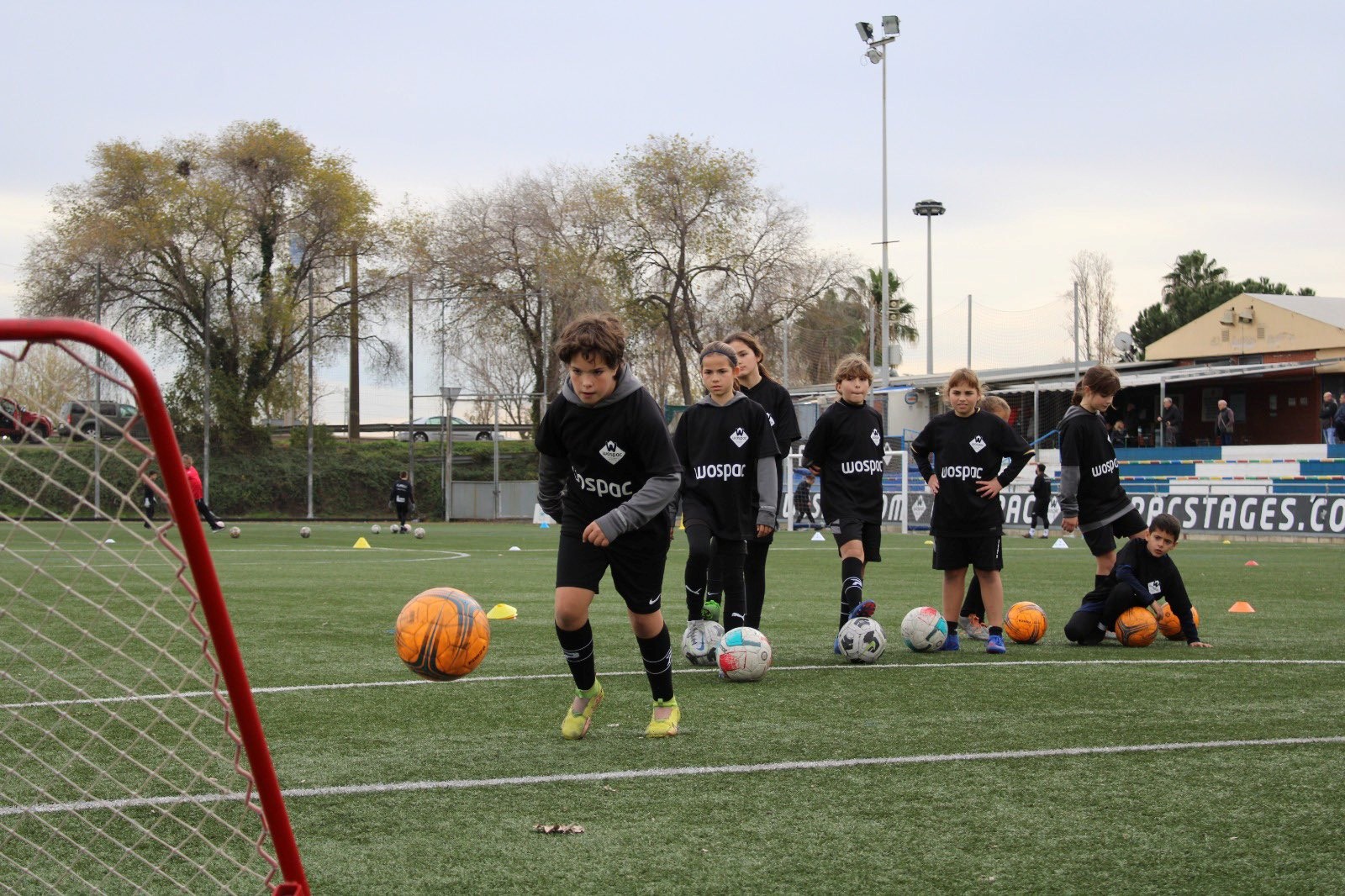
Young goalkeepers can practise short, agreed calls with defenders during realistic exercises. Coaches can review when an instruction was useful, whether it was heard and how positioning affected the available information. Coordination grows through shared practice and understanding.
For information about goalkeeper coaching, explore our Technification programme.
Keep exploring The goalkeeper is the best positioned with these next reads
Questions about goalkeeper positioning and communication
What should a goalkeeper scan before giving information?
Read the ball, opponents, teammates and the space around the defensive line. The goalkeeper's view changes as play moves, so information should be checked rather than assumed to remain accurate.
When can a short goalkeeper instruction help a defender?
It can help when it arrives early enough to act on and identifies something relevant, such as pressure or a run. Agree clear calls in training and avoid adding speech that distracts from the immediate decision.
How does supporting build-up differ from defending space?
In possession, the goalkeeper can adjust position to offer a passing option. After possession changes, the goalkeeper must reassess the ball, defensive line and danger behind it; the appropriate position depends on that situation.
How can a coach practise goalkeeper and defender communication?
Use exercises involving passing options, pressure and changes of possession. Review the timing and clarity of calls together with movement and positioning, then let players apply that feedback in another repetition.