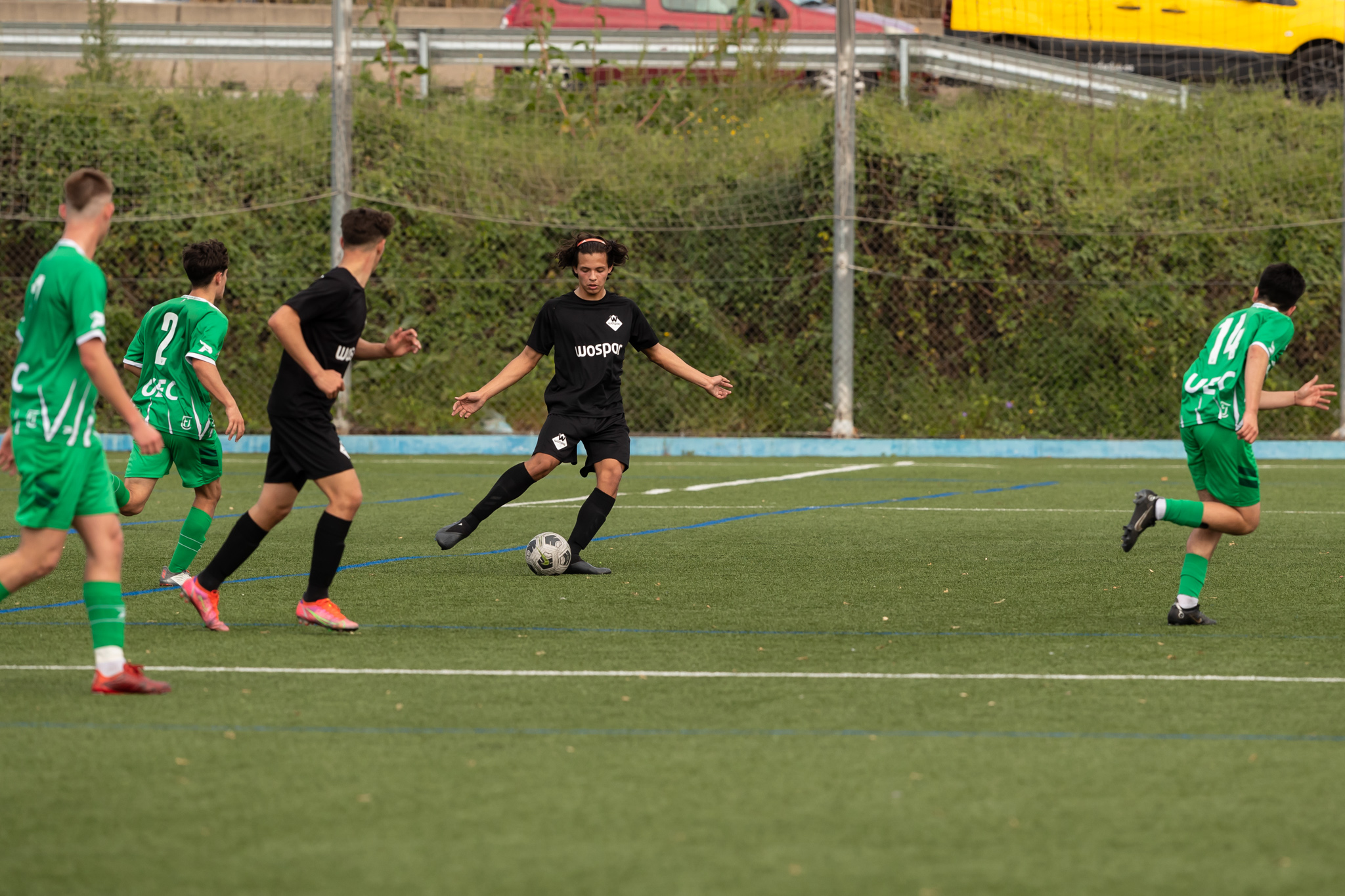
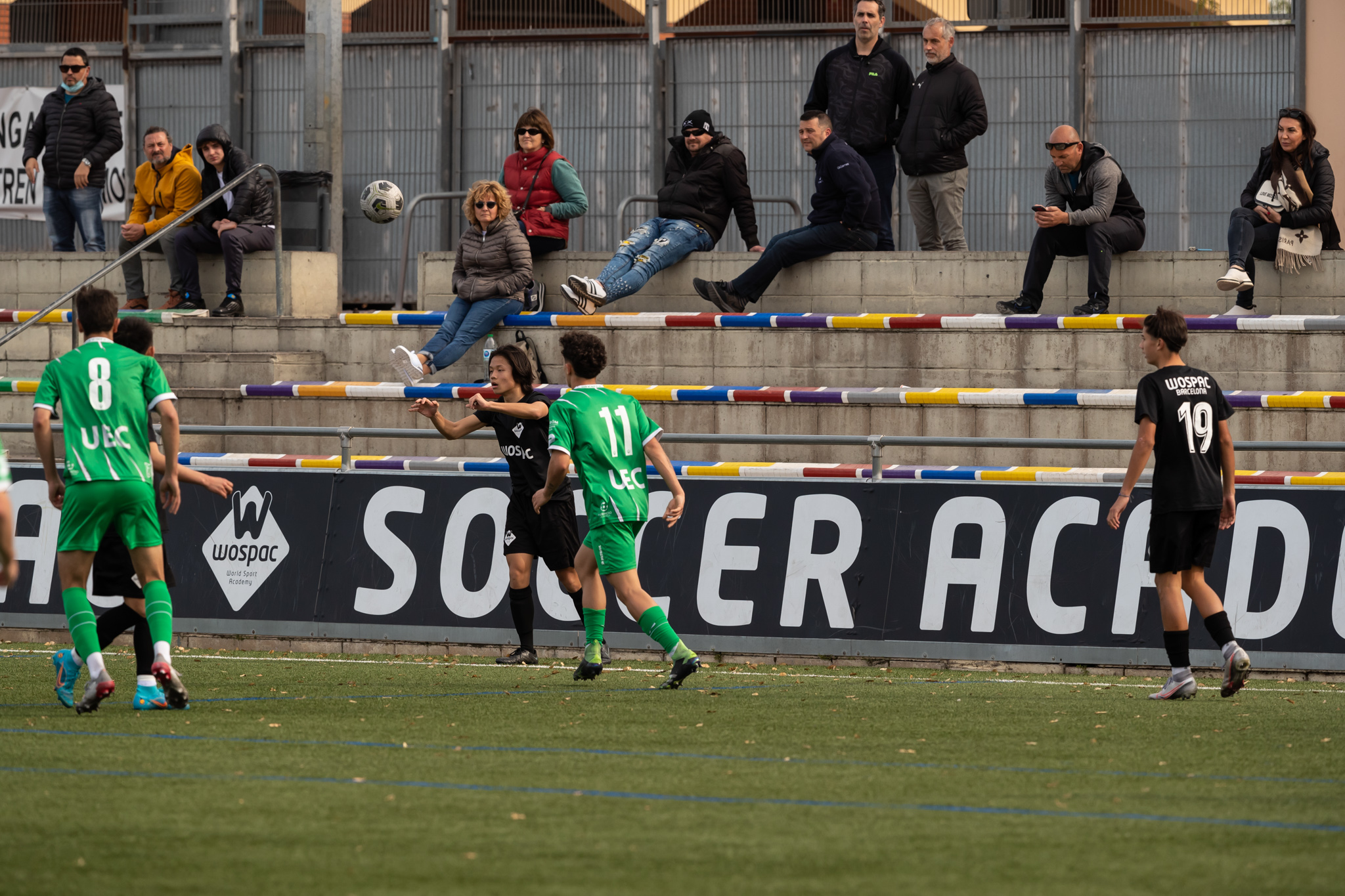
A year between educational commitments can give a player time to examine what they want from football. For someone in the United States considering a Gap Year Soccer Program in Barcelona, the starting point is the actual sporting and academic plan. WOSPAC enquiries should identify the player’s current experience, proposed dates and aims, together with the training group and services being offered.
Someone looking for a different competitive environment may have different needs from someone seeking time to prepare a college application. A useful proposal explains the activities available without promising recruitment or treating a year abroad as the right decision for every athlete. Consider what would make the year worthwhile even if the player’s longer-term ambitions change.

Training questions for a player coming from the United States
Compare the proposed football experience with the player’s current week. Ask about session frequency, group level, coaching responsibilities and match activities. A general claim about European standards says less than an explanation of what the player would do and how feedback is provided.
If coaching qualifications or a professional background are advertised, request the named details relevant to the group. Credentials and current responsibilities should be clear without relying on an unnamed association with a major club. The practical aim is to understand who teaches the sessions and how instructions are explained.
Individual objectives and review
- Training priorities: Discuss the player’s current strengths, difficulties and goals. Establish whether the offer includes an individual review or written plan, how often it occurs and who provides it.
- Targeted Goals: Players set both short-term and long-term goals with their coaches as specific questions: what action is being practised, what feedback is available and when will it be reviewed? Improvement is an aim, with the response varying between players and activities.
Facilities and access conditions
- Equipment used in sessions: Ask which training or analysis equipment the group actually uses. A technology list does not establish that each player receives a particular test or individual service.
- Training locations: Confirm the pitches and any indoor or gym access included for the proposed dates, together with travel arrangements and possible schedule changes.
An exercise becomes easier to assess when its purpose is explained. A coach might use a passing task to explore receiving angles, then a game to examine decisions under pressure. The player can ask what should be noticed and how the task relates to their usual role.
Match participation needs a separate description. Establish whether the offer concerns practice games, arranged fixtures or an outside assessment, and how players are selected. A recognised opponent’s name does not itself establish scouting attendance or a recruitment agreement.
Education and the purpose of the year
Before deciding to pause or change studies, review the educational consequences with the relevant school or institution. Consider the intended return date, application deadlines and any qualification requirements. A football provider’s timetable cannot decide academic recognition or future admission.
Ask WOSPAC to explain any study or application support included in the actual offer. Language learning, formal education and help organising an application are different services. Identify the provider and responsibilities rather than assuming all are part of a gap-year booking.
- High-level Training: Check the actual facilities, group and session schedule rather than relying on a broad claim about training standards.
- Experienced Coaches: Establish the assigned coaching roles and relevant qualifications for the group being considered.
- Individualized Attention: Ask how personal objectives are discussed and what feedback is included within the group format.
- In-Depth Football Knowledge: Explore how technical exercises, tactical decisions and physical preparation fit the advertised sessions.
A college enquiry also needs its own evidence. Find out what the receiving institution requires and who can answer questions about admission, sporting assessment and eligibility. Academy attendance does not itself secure a college place or financial award.
Keep any application-assistance promise specific. It may concern organising information, preparing materials or advice about deadlines; confirm the agreed scope rather than assuming representation to universities worldwide. The athlete remains responsible for meeting the requirements of the institution concerned.
Living in Barcelona during a football gap year
Living away from home changes everyday responsibilities as well as the training setting. Before departure, establish the accommodation address, room arrangements and services included. For a younger athlete, the responsible adults should understand supervision, communication and the arrangements for raising a concern.
Barcelona provides a setting for football and language experiences, but city life is not an inclusion list. Excursions, match tickets and organised activities need confirmation if they are part of the proposed stay. Informal exploration also needs to fit the player’s age, responsibilities and agreed boundaries.

This 35%/30%/20%/15% diagram illustrates topics associated with a stay in Barcelona. No dataset or allocation method is identified. The slices do not specify training hours, fees, staff coverage, included services or measured athlete outcomes.
A stay abroad can create opportunities to practise communication and organisation alongside soccer training. Discuss a typical weekday, including meals, travel, study, football and rest. Knowing whom to contact about a late arrival, a room issue or a timetable change is more useful than a promise of help with everything.
Adjustment can be uneven. A player may enjoy a session yet find an unfamiliar language or living routine difficult. Ask what support is available and how it is accessed, without assuming that living abroad automatically produces independence or confidence.
Deciding whether a football gap year fits
A gap year deserves a purpose that can be reviewed. This might be working on particular football decisions, experiencing a different training group or allowing time to consider the next educational step. Set an opportunity to revisit that purpose rather than judging the year only against a distant professional ambition.
It is also useful to plan alternatives. Clarify how the player would continue education, return to their previous environment or revise the stay if circumstances change. Booking conditions and the actual providers’ responsibilities should be understood before travel.
| Service | Description |
| Training timetable | Confirm the proposed weekly schedule and whether changes can be accommodated. |
| College application assistance | Identify any agreed help and check requirements directly with each institution. |
| Future planning discussion | Clarify what advice is offered and distinguish it from admission or recruitment decisions. |
| Scholarship enquiries | Check awards and eligibility with the institution; assistance does not guarantee funding. |
The value of the year depends on what the player joins and how they use the experience. Attendance, an attractive setting or a busy schedule is not by itself evidence of progress. Specific feedback, a manageable routine and realistic review points give the athlete something concrete to discuss.
Keep scholarship and college decisions separate from programme marketing. A training stay can be considered alongside educational plans, but the receiving organisation determines its own selection and financial support.
Discussing a WOSPAC gap-year enquiry
For a US player considering Barcelona training, an enquiry to WOSPAC should explain the proposed dates, current level and educational commitments. Request the football schedule, accommodation terms and any separately provided support relevant to those needs. Compare the written offer with the player’s priorities before deciding.
A useful choice provides activities the athlete understands and is prepared to undertake. It leaves room for learning and changing ambitions, with no promise that a year abroad guarantees a scholarship, admission or a professional career.
Useful next steps after Gap Year Football Program: Why American Athletes Choose WOSPAC
Questions from US players considering a football gap year
What should a US player ask about the weekly football schedule?
Request the session frequency, group level, coaching roles and match activities for the proposed dates. Distinguish practice games, fixtures and any independently arranged assessment, including participation conditions.
Which living arrangements should be clear before a gap year abroad?
Confirm the accommodation operator, address, rooms, meals, travel and everyday services. For a younger player, agree supervision, communication and the process for raising a concern with the responsible adults.
How can the scope of study or application help be checked?
Ask which provider handles the service and what assistance is included. Language learning, formal education and organising application materials are different activities; admissions and academic recognition remain matters for the receiving institution.
Does football application support include a college scholarship?
A scholarship depends on the institution’s award rules and selection process. Any assistance should be specified separately and does not guarantee admission, sporting eligibility, recruitment or funding.