Program with Education for Student Visa: A Complete Guide for Students
Aββββββββββββββββ Program with Education for Student Visa is essentially a formal education program that is combined with the eligibility criteria which are supportive of the Wospac international study plan. For a very large number of students, choosing the right program is not only a matter of academic interest, but it is also a condition that they have to meet their visa requirements in a simple and well-organized way. Educational programs related to student visas are designed to offer an environment that is consistent with both the learning outcomes and the legal study permissions. Students who wish to study abroad usually pick a program that provides them with academic value and institutional support, and at the same time, the program complies with visa regulations. A Program with Education for Student Visa plays a pivotal role in fulfilling these requirements as it offers recognized educational pathways along with the necessary supporting documentation and enrollment standards. Students who wish to study abroad usually pick a program that provides them with academic value and institutional support, and at the same time, the program complies with visa regulations. A Program with Education for Student Visa plays a pivotal role in fulfilling these requirements as it offers recognized educational pathways along with the necessary supporting documentation and enrollment standards. Understanding a Program with Education for Student Visa Aββββββββββββββββ Program with Education for Student Visa is normally an academic or a training route that fulfills the primary requirements of a student visa. These programs are arranged around the accredited institutions of learning and the defined periods of study. The educational aspect is the main one as visas are generally granted on the account of enrollment in the authorized programs. Such programs may include university-level courses, career development, or educational levels that are formalized. The main thing is the compliance of the program's educational objectives with the visa rules. The institutions that offer such programs generally follow standard academic calendars and have the same reporting structures. Core Elements of an Educational Program Core Element Description Educational structure Organized courses or training Enrollment basis Recognized academic institution Duration Defined study period Compliance focus Alignment with visa requirements Student role Active participation in education Why Education-Based Visa Programs Matter Education-basedββββββββββββββββ visa programs constitute the main instruments of international mobility. They set a legal and academic framework under which students can access educational opportunities abroad. In the absence of such programs, it would be a real maze to deal with the different visa systems. First of all, visa programs based on education are very transparent. Students understand that the main condition for them to be granted a visa is their participation in the educational process. This lessens the students' uncertainty and makes them more willing to keep up their studies. Key Components of Education Programs for Student Visas Educationββββββββββββββββ programs that are designed for student visas normally have a few shared components. These components are meant to preserve both the integrity of the academics and the clarity of the administration. Academic [...]
INTERNATIONAL BOARDING SCHOOL SOCCER CLUB: Education Meets Elite Football
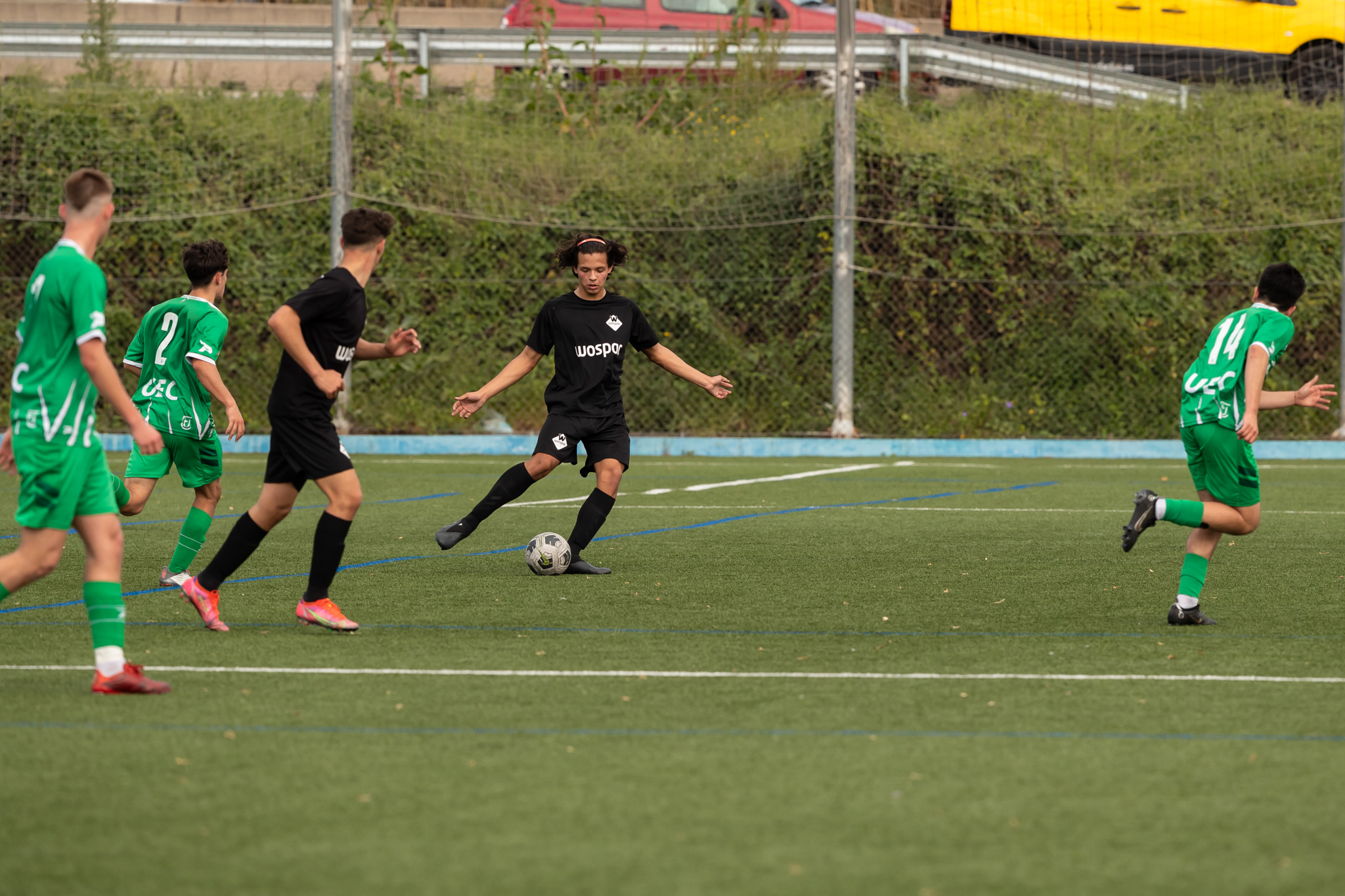
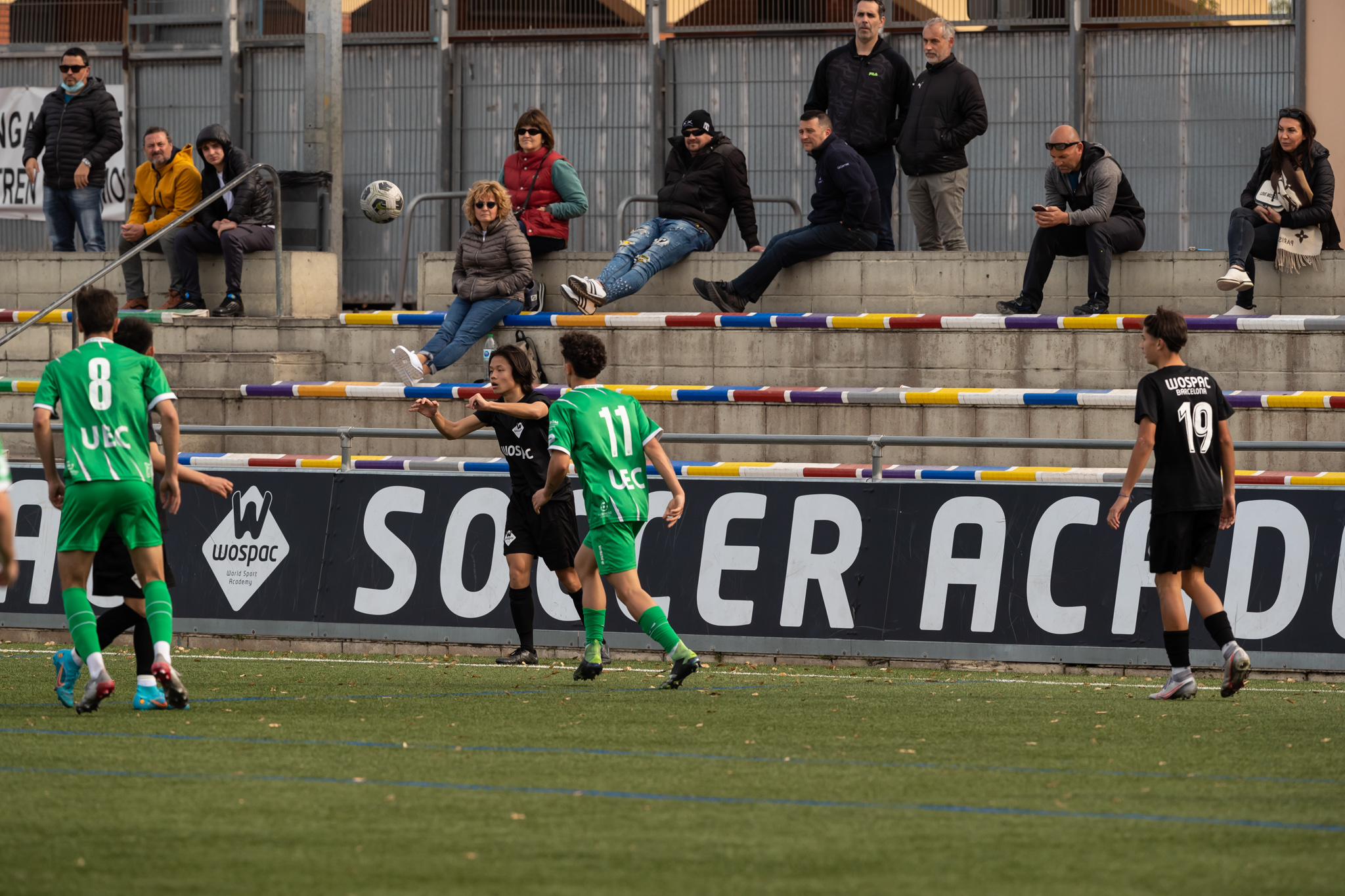
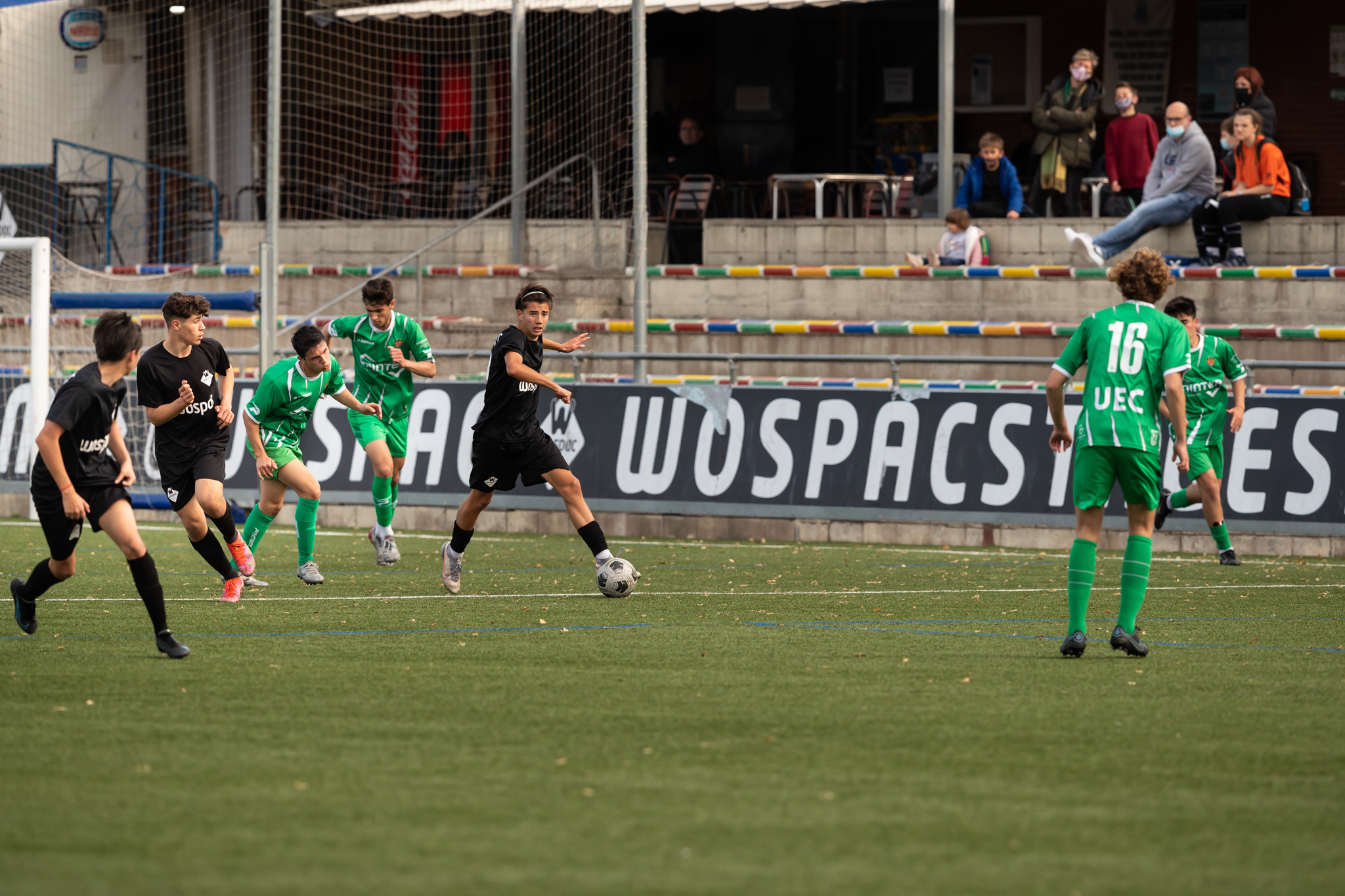
Such environments are hard to find. An INTERNATIONAL BOARDING SCHOOL SOCCER CLUB combines education with professional level football for young players enabling them to develop in a structured environment. This model allows for students to excel in a high level of soccer while being supported in their Wospac school performance, in both academic and soccer settings. Unlike other schools or local sports clubs, students attend classes and daily training on the same campus, in a disciplined environment. The academic structure provides young players with the opportunity to think about the long-term, and builds important life skills such as responsibility, teamwork and mental resilience over many years. The INTERNATIONAL BOARDING SCHOOL SOCCER CLUB eases a more cosmopolitan soccer experience for its students, both through training with their peers from different cultures, and by providing strong and future-proofed solutions for families seeking academic regularity and elite level opportunities in the game. Overview of the INTERNATIONAL BOARDING SCHOOL SOCCER CLUB Model The boarding school soccer club model educates, resides and sports, with students exposed to a normal school curriculum and individuals help balance education with sporting commitments through structured football education and training. The training schedule is based around the academic calendar, and coaches collaborate with teachers to control the students' workloads, prevent them from falling behind in their studies, and impose discipline without creating excessive pressure. In the table, a comparison of the various features is shown. Feature Boarding Soccer School Model Academic Structure Full-time formal education Soccer Training Daily professional coaching Living Arrangement On-campus boarding facilities Student Supervision 24/7 academic and pastoral care Development Focus Academic and athletic balance An INTERNATIONAL BOARDING SCHOOL SOCCER CLUB also looks after nutrition, recovering and rest which can contribute to the long-term well-being of players and reduce burnout and injury. Students develop routines that foster sustainable performance. Training, Academics, and Personal Development The model encourages development in each area, or domain. Students follow routines that promote consistency and accountability. The days include learning, training and personal time too. Professional Soccer Training Environment Focus is placed on technical, tactical and physical development. Programs are generally progressive to reflect age-appropriate skill levels. Academic Coaches track individual improvements to provide feedback and improve performances. Academic Support and Life Skills Academic classes follow a set curriculum. Wospac Study halls areβsupervised for focused work time. Students learn time management and independent workβhabits. This prepares themβfor college and careers. Beyond academics and athletics, character develops and people grow socially with campus living. Conflict resolution with peers, leadership through group experience, and development of personal confidence and resilience are encouraged. An INTERNATIONAL BOARDING SCHOOL SOCCER CLUB also teaches mental toughness. Players learn to deal with pressure, adversity, and failure which translates into improved athletic and academic performance. Comparing Boarding Soccer Clubs to Traditional Pathways Boarding soccer schools are often compared with local soccer clubs and local day schools, with each option being better for different circumstances. Boarding Soccer School had the highest total per-player improvement. Private Academy offers great development but not [...]
International Baccalaureate Program with Full Boarding: A Complete Guide
Choosingββββββββββββββββ the proper academic route is what determines a student's life for a very long time. International Baccalaureate Program with Full Boarding has become the favorite choice of most families that are looking for a structured global education and holistic development of their children. It is a system that combines challenging studies with a residential environment that is fully immersive. Consequently, students acquire independence while they are still given continuous academic and personal guidance. During the first years of secondary education, children get the chance to be educated through a thoroughly balanced system that nurtures an inquiring mind as well as personal responsibility. International Baccalaureate Program with Full Boarding is a school that fosters the formation of critical thinking, awareness of global issues, and the development of disciplined daily routines. Unlikeββββββββββββββββ day-school models which are generally full of disruptions, a full boarding school essentially creates a continuous learning environment that goes beyond the classrooms. Understanding the International Baccalaureate Program with Full Boarding Theββββββββββββββββ International Baccalaureate structure is known worldwide for its scholastic depth and uniformity. By adding full boarding to the program, the experience becomes more captivating and life-changing. In fact, students not only pursue a well-organized curriculum but also stay on campus for the whole academic year. Education through the school is said to be extended beyond the formal lessons. Indeed, apart from regular classes, supervised study sessions, mentorship, and collaborative projects are also available to the students. The cooperation between the teachers and the boarding staff is very tight in order to provide each student with maximum support. Feature Full Boarding IB Program Academic Curriculum Globally standardized IB Learning Environment 24/7 structured campus setting Student Supervision Continuous academic guidance Personal Development Focus Strong emphasis on independence Cultural Exposure Multinational student community Thisββββββββββββββββ comprehensive method is in line with both academic and personal growth. The students receive the preparation for university-level requirements at an early stage. Gradually, the organization instills the students with self-control yet does not inhibit their inventiveness. Academic Depth and Holistic Development The educational framework of the International Baccalaureate Program combined with Full Boarding is geared towards the balanced intellectual development of the students. The subjects are delivered through inquiry-based methods rather than rote memorization. Students are taught to analyze, reflect, and communicate effectively. Curriculum Structure and Learning Methods The core subjects are grounded in research, writing, and critical evaluation. Students become involved with the real-world issues in various disciplines. The assessment methods that are used accept the understanding of the students rather than the memorization of the facts. Life Skills Through Residential Learning Boardingββββββββββββββββ life teaches people how to manage their time and be responsible. Students handle schedules, assignments, and their own personal responsibilities all by themselves. The help of the staff is a guidance, which is a support, but without too much control. This equilibrium, thus, deepens the students' self-assurance as well as their ability to make decisions. The mix of academics and residential life helps emotional intelligence to grow. The learners acquire collaboration [...]
1 Week Level Test & Tryouts Boarding Program: Structure, Evaluation, and Value
Aββββββββββββββββ 1 Week Level Test & Tryouts Boarding Program is a program which aims to give a detailed evaluation period along with a short-term boarding experience. Such a program allows those involved to show their level, adaptability, and commitment not only during the days but also over the weeks. Thus, by having the evaluation over the entire week, the evaluators get a more comprehensive and even impression of the skills of the individuals. In contrast to short tryouts, a one-week boarding program is more about the participant's stability. The participants are supposed to follow the daily routines, take part in the repeated training or testing sessions, and get a familiarized environment similar to that of the longer-term programs. Program Overview and Core Purpose Aββββββββββββββββ 1 Week Level Test & Tryouts Boarding Program has primarily two major functions. Primarily, it facilitates a detailed level evaluation over several days. Secondly, in a short and controlled time frame, it acquaints the participants with the boarding routines and the program expectations. Typically the program keeps a stable daily timetable. The start of the day may be dedicated to tests or skill-based sessions. The afternoons are generally filled with the implementation of activities, attending to the work done, or group interaction. The evenings are usually planned around relaxation, self-reflection, or a period of rest under the staff's supervision. The inclusion of boarding is very important for the assessment. Being on-site thus shows the ability to manage one's time, be independent, and interact with ββββββββββββββββothers. Element Description Program length One full week Evaluation style Ongoing, multi-day assessment Boarding Supervised residential stay Daily structure Training, testing, review Focus Consistency and adaptability Evaluation Process and Daily Structure Theββββββββββββββββ decision-making criteria for a 1 Week Level Test & Tryouts Boarding Program are not immediate and simple, but rather gradual and layered. Evaluators take into account the performances of the participants under different conditions and days instead of relying on a single performance only. Initial Level Assessment The very first stage is, more often than not, associated with baseline testing. These sessions serve to define the starting levels and also to identify the strengths or the gaps. The results become the tool that guides the way participants are grouped or monitored during the week. Progressive Observation Evaluators, on the other hand, are not content just to observe the initial level only; they look for indication of the progress, the reaction to the feedback, and the consistency as well throughout the week. The most important point here is that this stage shows the capacity of the participants to learn rather than their isolated ability. Moreover, the planned repetition provides a more fair way of evaluation. Participants get the time to adjust, to recover and to show their ββββββββββββββββimprovement. Comparison With Other Tryout Formats Diverseββββββββββββββββ evaluation formats are designed to accommodate various requirements. Single-day tryouts emphasize speed and efficiency. Long-term placements are all about thorough development. A 1 Week Level Test & Tryouts Boarding Program is somewhat of a compromise between these [...]
1 Day Summer Camp Boarding Program: A Wospac Structured Summer Experience
Aββββββββββββββββ brief experience is what a 1 day summer camp boarding program aims to provide. Their goal is to combine activities, learning, and boarding under supervision in a single day. Such programs are usually picked by families who want a concentrated introduction to the life of the camp without making a long-term commitment. The format gives the opportunity to experience organized schedules, interaction with the group, and guided activities in a safe place. In contrast to the long summer camps, a one-day boarding program Wospac concentrates on the intensity and the balance of the day. People enrolled in the program are to take part in planned sessions which can be sports, creative workshops, teamwork exercises, or educational modules. The boarding aspect brings in the idea of responsibility and routine, even though the time is short. Overview and Core Structure of the Program Aββββββββββββββββ 1 Day Summer Camp Boarding Program revolves around a very detailed timetable. Every movement from the arrival to the departure is planned out to ensure safety, engagement, and continuity. Typically, the program starts with orientation and group allocation and then moves on to the activity blocks and rest periods which are under supervision. The boarding part, even if it is only for a single day, acquaints the participants with the shared accommodation rules and routines. It may also comprise assigned spaces, supervised downtime, and the structured transitions from one activity to another. The purpose is to make a realistic yet manageable camp environment. Such programs are frequently appreciated for their being predictable. Parents and participants know the length, content, and organization ahead of ββββββββββββββββtime. Feature Description Program length Single full day Activity format Scheduled group activities Boarding element Supervised short-term stay Supervision Trained staff oversight Environment Controlled camp setting This table highlights common structural elements without implying specific outcomes. Educational and Developmental Value Evenββββββββββββββββ a short 1 Day Summer Camp Boarding Program has the potential to impart essential skills and developmental awareness. As part of the introduction, participants get to know structured group dynamics, time management, and shared responsibility. These components are frequently the core of longer camp programs, hence, the one-day format serves as a great preliminary. Most of the activities are set up to attract the participants' involvement rather than their mastery of the skills. Team-based exercises, creative sessions, or guided challenges are some of the ways through which participants' social and mental engagement is achieved. The emphasis is laid on experience and interaction rather than on performance. Program Activities and Daily Flow Theββββββββββββββββ daily flow of a 1 Day Summer Camp Boarding Program is generally broken down into different phases that are clearly distinguished from each other. Each phase has its own specific function and keeps the energy going during the whole day. Orientation and Group Integration The program normally kicks off with orientation. Participants get introduced to the staff, find out the basic rules, and join small groups. This step is all about setting expectations and giving everyone a feeling of being part [...]
Bachelorβs and Masterβs Programs in Barcelona: A Complete Academic Guide
Barcelonaββββββββββββββββ is turning into one of the major places for foreign higher education. Worldwide students make a decision to study Bachelor and Master programs in Barcelona due to the quality of the academic level and global exposure. There are top universities in the city combined with a vibrant cultural atmosphere. This equilibrium is ideal for both the academic and the emotional growth of the students. University studies in Barcelona focus on acquiring a skill set and on thinking logically. The courses are tailored to equip students with the skills required for careers abroad. Most of the schools provide classrooms full of different nationalities which is a great way to improve the communication skills. Therefore, the graduates become proficient in different work environments ββββββββββββββββworldwide. Why Barcelona Is an Ideal Choice Theββββββββββββββββ city of Barcelona is also a major European hub that offers Bachelor's and Master's degrees to students who are looking for the high academic standard of Europe. Degrees are closely related to the globally recognized frameworks. Such an alignment is a guarantee of easy transitions to further studies or to professional jobs worldwide. Additionally, pupils enjoy a very good living apart from studies. The city is a perfect place to grow your independence, to be creative, and to collaborate with others. For students who want to integrate learning with living in the local culture, Barcelona is still the perfect place to ββββββββββββββββstudy. Overview of Bachelorβs and Masterβs Programs in Barcelona Barcelonaββββββββββββββββ higher education provides clearly defined routes for both undergraduate and postgraduate students. Bachelor degree courses are primarily aimed at introducing the essential knowledge and skills. Master degree courses are more geared towards specialization, research, and advanced professional training. Such programs are created to conform to international academic criteria. Methods of instruction in these courses are student-centered and analytical in nature. Students get involved in case studies, projects, and group work. Clear comparison of key academic features Feature Academic Programs Degree Levels Bachelorβs and Masterβs Teaching Approach Theory with applied learning International Recognition Widely accepted degrees Classroom Environment Multicultural cohorts Career Preparation Industry-aligned curricula Professors personally help students to navigate through well-organized academic plans. Such support ensures continuous advancement and academic self-assurance. The local academic ecosystem is very much oriented towards innovation and global viewpoints. Alumni, in most cases, exhibit these attributes of adaptability and a strong set of professional skills. Such qualities, therefore, make them more attractive to employers in different international markets. Academic Structure and Learning Experience The academic structure in Barcelona is very much in line with the idea of progressive learning. The programs are thought out in such a way that the students gain their knowledge gradually. They have a good mix of lectures, research, and practical ββββββββββββββββprojects. Curriculum Design and Assessment Bachelorβsββββββββββββββββ programs expose students to the basics of the different disciplines. Masterβs programs concentrate on the advanced ideas and specialization. Examinations focus on comprehension, analysis, and problem-solving. International Classroom Environment Classes normally have students from different cultural backgrounds. Such a diversity is a great [...]
No Boarding Program Planning: A Structured Approach to Flexible Education
Educational planning has come a long way, catering to various students, with the No Boarding Program Planning being a great option for families who want structure without residential commitment. With this model of organization, students are able to experience a structured school schedule with academics and activities while at the same time remaining at home. The structures that serve students best in many cases are aligned with the individual environment the students are in. No Boarding Program Planning stresses coordination, time management, and consistency. These schools and programs are sometimes designed to ease academics, training, or extracurricular activities without requiring a student to stay overnight, promoting stability. The model contrasts with boarding approaches it relies on planning in advance,βestablishing regular routines, parental involvement, and intra-institutional coordination. This approach, if properly implemented, can lead to academicβand personal success. For families wanting flexibility, structure, and independence, the No Boarding Program Planning is a helpful educational strategy. Overview and Importance of No Boarding Program Planning No boarding program planning refers to a curricular or developmental program without boarding; students would receive instruction and practical training before returning home at the end of each day. This program would be appropriate for families with a desire to be involved every day. One benefit to this approach is students are instructed in a structured way while at home. Generally this is less stressful for students, so it allows parents to develop their children's emotional and social skills more. Coordination of lessons, after school activities, and rest periods must match this schedule for these programs. Collaboration between teachers, trainers, and families can help avoid gaps through more intentional planning. Feature No Boarding Program Model Living Arrangement Student lives at home Daily Structure Fixed schedules without lodging Family Involvement High daily engagement Flexibility Level Moderate to high Planning Requirement Strong coordination needed No Boarding Program Planning supports Sports students to gradually take on more responsibility, with the reinforcement of family. It is appropriate for the younger student or the student approaching independence. Key Components of Effective No Boarding Program Planning Success includes foreseeing components of this that support student learning, and clear communication to students of such components is central. Academic and Activity Scheduling Schedules shouldβbalance academics with extra curriculars. Clearer start and endβtimes can help students focus at school. Predictable routines may help students control energy and attention levels, but flexibility can also be helpful. Support Systems and Communication Teachers, coordinators and families must regularly inform each other about progress and difficulties, replacing residential supervision with mutual trust and transparency. In addition to structural features, personal development is another important dimension concerning the shift of contexts. The students develop a sense of time management, discipline, and responsibility. No Boarding Program Planning may also encourage students to have flexible responses that can be applied to daily life or in academic or work settings. Comparing No Boarding Planning with Boarding-Based Models Families compare non-residential and boarding based approaches. The two models have different advantages and their differences give understanding [...]
Spain Residence: A Complete Guide to Living and Settling Successfully
Moving to a new country requires that someone decide with clear intention after proper preparation. Spain Residence is a successful option for students, families, and professional workers. Spain is a country with an equilibrium between modern and customary, making it perfect as a long-term residence plan. For many immigrants, the welcoming systems, hospitality, education, public services, legal systems and anything else that Spain Residence provide can make settling in easy, and allow migrants to be gradually introduced to the pace of life in the town. The Spain Residence is a choice for many people seeking to further their studies andβwork, or to grow as a person. Spain promotes integration and multiculturalism, and movingβhere for study, work or to raise a family can be a feasible and sustainable possibility. Understanding Spain Residence and Its Importance To reside in Spain involves legal and administrative issues concerning the right to resideβthere long-term, and to find accommodation and socially integrate in the country. Knowing these skills reduces uncertainty when making a move. The continuity offered by Spain Residence also gives access to education, healthcare and work, allowing the holder to plan for the future, whether for himself, herself or for his, her family, when without it life can be very difficult. There are several pathways for different types of residence permits in Spain. For example, residence for the purpose of study, family and long-term residence. The right one will ensure compliance and peace of mind. Feature Spain Residence Framework Legal Status Authorized long-term stay Access to Services Education and healthcare access Living Stability Secure housing and planning Integration Support Cultural and social inclusion Long-Term Opportunities Career and personal development The gradual settlement approach of Spain Residence Football Academy allows residents to build their routines without losing their customary identity, making long-term settlement more sustainable. Key Aspects of Living Under Spain Residence When prepared, adapting to systems, culture and expectations in Spain is easier. Understanding elements of daily life gives expats confidence. Housing and Community Environment Where one lives depends on location. Urban areas connect people to amenities near them. Smaller towns align with lifestyle goals affordably and tranquilly. Education, Work, and Daily Life Spain Residence provides organized education environments in schools and organized work environments in teams where individual and team achievements are equivalent. Daily routines work well for relaxation and socializing. However, residents are provided with regular transport and services and there is a wide availability of both. Having something consistent over time helps residents to adapt, and become familiar with their surroundings. Spain Residence encourages cultural participation. Local holidays and traditions promote a sense of belonging with togetherness. Engaging fosters language developing and social confidence, leading to long-term satisfying. Comparing Spain Residence with Short-Term Stay Options Comparing residence to temporary stays is common, but not directly comparable; understanding their differences eases decision-making. Spain Residence is the largest component of this stability. Temporary Permit has medium-duration stability compared to other short-term types. Short-Term Stay has the smallest share, indicating limited integration. Residential duration [...]
Program with Education for Student Visa: A Complete Guide for Students
Aββββββββββββββββ Program with Education for Student Visa is essentially a formal education program that is combined with the eligibility criteria which are supportive of the Wospac international study plan. For a very large number of students, choosing the right program is not only a matter of academic interest, but it is also a condition that they have to meet their visa requirements in a simple and well-organized way. Educational programs related to student visas are designed to offer an environment that is consistent with both the learning outcomes and the legal study permissions. Students who wish to study abroad usually pick a program that provides them with academic value and institutional support, and at the same time, the program complies with visa regulations. A Program with Education for Student Visa plays a pivotal role in fulfilling these requirements as it offers recognized educational pathways along with the necessary supporting documentation and enrollment standards. Understanding a Program with Education for Student Visa Aββββββββββββββββ Program with Education for Student Visa is normally an academic or a training route that fulfills the primary requirements of a student visa. These programs are arranged around the accredited institutions of learning and the defined periods of study. The educational aspect is the main one as visas are generally granted on the account of enrollment in the authorized programs. Such programs may include university-level courses, career development, or educational levels that are formalized. The main thing is the compliance of the program's educational objectives with the visa rules. The institutions that offer such programs generally follow standard academic calendars and have the same reporting structures. Core Elements of an Educational Program Core Element Description Educational structure Organized courses or training Enrollment basis Recognized academic institution Duration Defined study period Compliance focus Alignment with visa requirements Student role Active participation in education Why Education-Based Visa Programs Matter Education-basedββββββββββββββββ visa programs constitute the main instruments of international mobility. They set a legal and academic framework under which students can access educational opportunities abroad. In the absence of such programs, it would be a real maze to deal with the different visa systems. First of all, visa programs based on education are very transparent. Students understand that the main condition for them to be granted a visa is their participation in the educational process. This lessens the students' uncertainty and makes them more willing to keep up their studies. Key Components of Education Programs for Student Visas Educationββββββββββββββββ programs that are designed for student visas normally have a few shared components. These components are meant to preserve both the integrity of the academics and the clarity of the administration. Academic Framework The academic framework specifies the content of the students' study as well as the way their progress is measured. It may include requirements for coursework, assessments, and even attendance. Institutional Support Institutions that provide such programs are usually ready to offer administrative support to the students. This may involve the provision of enrollment confirmation, academic records, and structured schedules. [...]