Studying abroad can introduce young players to a different language, football setting and daily routine. A boarding soccer academy in Spain is best assessed through the actual training, education and residential arrangements. Cultural learning and independence depend on how the individual engages with the stay, rather than being assured effects of moving to Spain.
Blending World-Class Soccer with Academic Excellence
Combining football and study requires a named education provider, a suitable course and a workable timetable. Check the course’s recognition, teaching language and entry requirements alongside the training schedule and travel. Morning lessons and afternoon football may be one arrangement, but they should not be assumed for every booking.
Language provision depends on the school or course selected. Confirm the language of teaching and assessment, any required proficiency and the support available for learning. Living in another country may create opportunities to practise communication without establishing bilingual proficiency or a specific personal outcome.
Embracing Cultural Immersion Beyond the Field
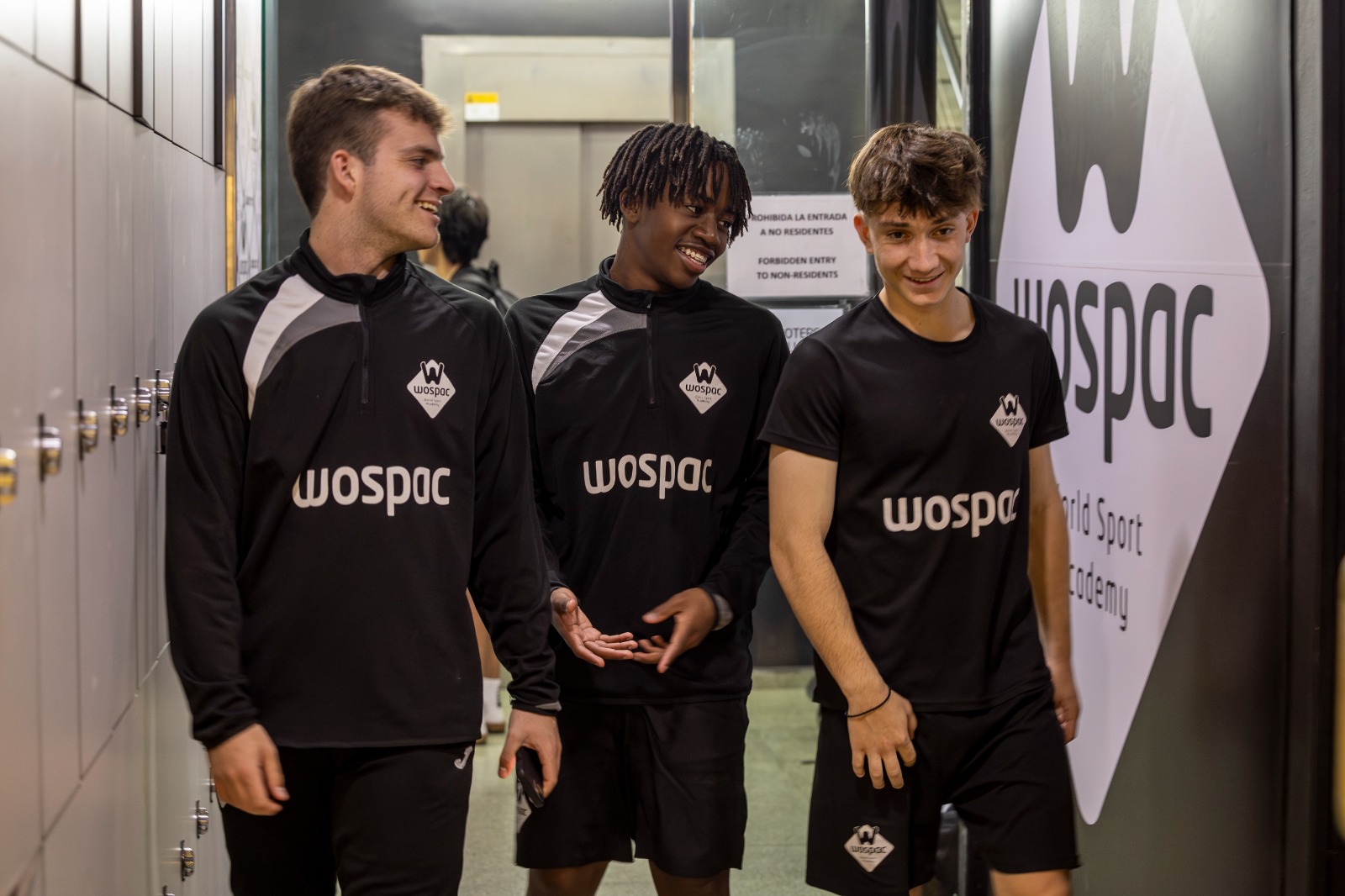
Living and learning in a boarding soccer academy in Spain places young athletes in culturally rich settings. Boarding life involves daily interaction with international peers. Students come from various countries, each contributing unique perspectives and values. This constant cultural exchange encourages respect, adaptability, and empathy. These values go far beyond the game.

Cultural visits, local events and travel can add to an international stay when they are actually available. Review the dates, supervision, transport and any separate cost of planned activities. The opportunity to learn about a place should be distinguished from a promise that every participant will become a global citizen.
Developing Resilience Through International Challenges
Relocating to a new country requires emotional strength. Young athletes must adapt to unfamiliar systems, customs, and routines of a boarding soccer academy in Spain. This shift builds emotional intelligence, a key trait for professional and personal success. Managing time zones, training demands, and academic schedules cultivates resilience. The experience teaches self-reliance and flexibility—essential life skills.
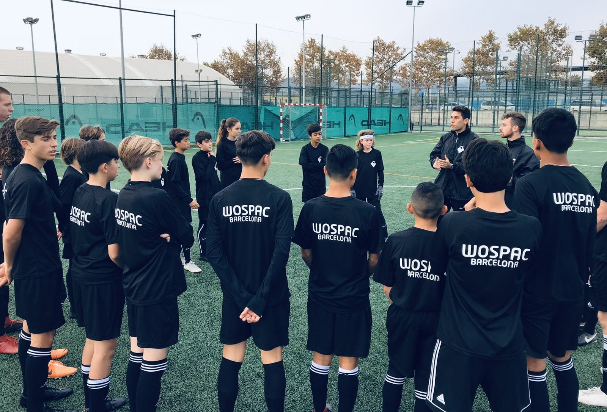
On the field, players encounter different styles of soccer. Spanish football emphasizes strategy, quick passing, and intelligent positioning. Competing in this environment exposes students to alternative techniques and philosophies. These experiences foster mental toughness and an appreciation for tactical diversity.
Forming Global Connections and Lifelong Friendships
Living and training with peers at a boarding soccer academy in Spain can create social connections and opportunities to practise communication. The group changes with dates and enrolment. Friendships should not be treated as a recruitment network or evidence of access to trials, contracts or coaching work.
For any proposed scouting event or club match, establish the organiser, dates, eligibility and actual access arrangements. Meeting other players or attending an event does not establish contact with an agent or assessment by a club. A global opportunity depends on individual circumstances and decisions made by the receiving organisation.
Instilling Discipline and International Work Ethic
A Boarding soccer academy in Spain needs a routine that fits the selected education and football arrangements. Check expectations for attendance, preparation, meals, rest and free time. Learning to manage that routine takes different amounts of adjustment for different players.
Local football culture can be explored through everyday participation and any confirmed match or stadium visits. Those activities depend on the actual schedule and access arrangements. Their effect on a player’s attitude or long-term motivation should not be assumed.
Shaping a Global Outlook for Life Beyond Football
A boarding soccer academy in Spain stay can sit alongside education and interests beyond the sport. Check which qualifications and language learning are actually available and recognised for the next course or institution. Further study and employment depend on their own requirements and selection decisions.
Players may take different lessons from living and studying in another country. Some value new contacts or experience of a different routine; others need more support adapting. Those experiences should be considered individually rather than described as a uniform change in physical ability, mindset or future readiness.
Conclusion
When choosing a boarding soccer academy, compare the actual study, football and living arrangements with the player’s aims and circumstances. Judge practical fit through the course requirements, timetable, support and available cultural activities. An international stay can offer learning experiences without assuring personal transformation or a particular future outcome.
What to compare next after How Studying Abroad in Spain Enhances Young Athletes' Global Outlook with Boarding Soccer Academy
Study Abroad Language and Cultural Learning
Which course details should be checked before a football stay abroad?
Confirm the education provider, qualification recognition, teaching and assessment language, entry requirements and timetable. The actual course needs to fit training, travel and independent study commitments.
Does studying in Spain ensure bilingual proficiency?
Language development depends on teaching, practice, the student’s starting level and engagement. Confirm any actual language classes and support rather than treating an international stay as a guaranteed proficiency outcome.
Are cultural trips included in every boarding football programme?
Check the planned activities, dates, supervision, travel and any separate charges for the selected stay. Living in Spain does not itself establish access to organised trips, festivals or professional match visits.
Can international friendships be treated as a football recruitment network?
Social connections can be part of the experience, but they do not establish a trial, agent agreement or club assessment. Any recruitment-related event needs a named arrangement and independent selection conditions.