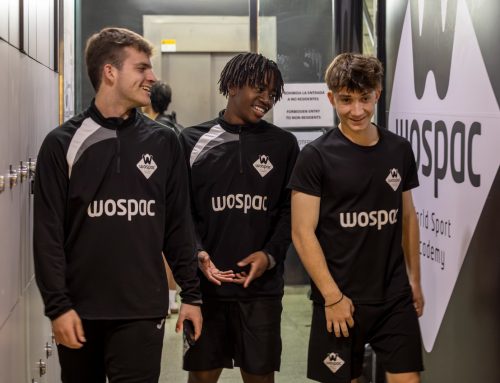
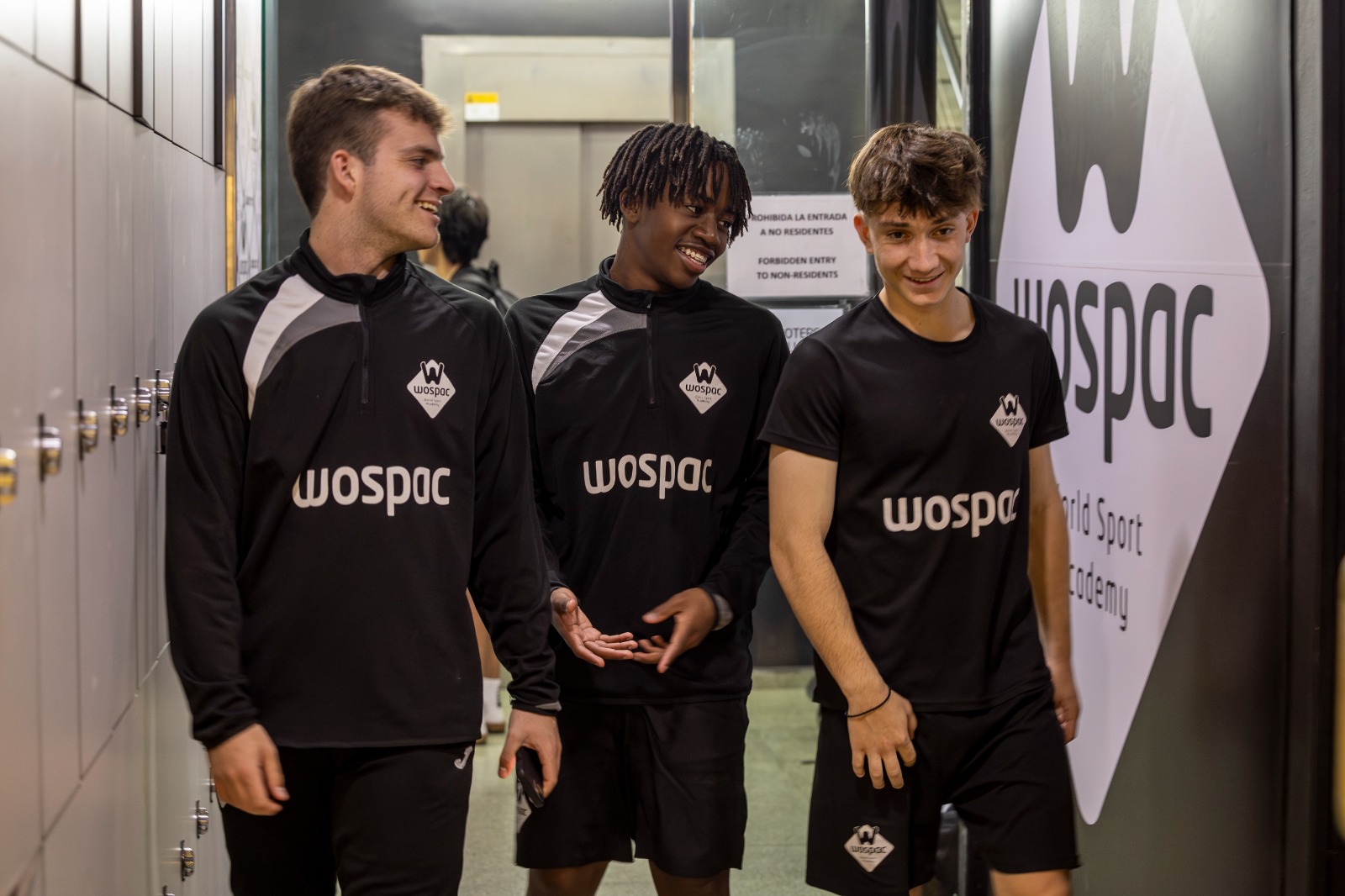
Choosing football training in Barcelona starts with the player’s present game and the kind of experience they can realistically undertake. WOSPAC enquiries should explain age, playing background, available dates and any study or accommodation requirements. These details allow the actual offer to be assessed instead of relying on a promise of becoming a future star.
A useful academy experience has a routine the player understands, coaching feedback they can act on and practical arrangements that fit life away from the pitch. It does not remove the need to check education, travel and recruitment decisions separately.
Understand the proposed Barcelona training setting
The Barcelona Soccer Training Academy description should be read alongside the specific arrangements available for the chosen period. Barcelona is a city in Catalonia, in northeastern Spain; it is not in the centre of the country. Use the actual training and accommodation addresses when estimating travel and organising arrival.

Ask how the programme would fit the player’s current level and commitments. A short visit may allow a limited learning aim to be explored, while a longer stay requires more detailed planning for education and residential responsibilities. Neither duration guarantees progress or professional selection.
The relevant comparison is between the player’s needs and confirmed activities. Keep optional services and external opportunities separate from the essential training offer.
Assess the coaching through the work proposed
Training priorities and useful feedback
A player can prepare examples of situations they find difficult in matches. These might concern a first touch, the timing of support or choosing between passing and carrying the ball. Ask how the coach would address the technical, tactical and physical demands involved, rather than assuming that every participant needs the same programme.
Confirm the staff leading the sessions, their relevant qualifications and experience, and how groups are organised. A reference to professional football does not establish a particular coach’s current background. Ask what feedback is provided and whether individual assessment or video review is included.
Look for a review process that connects an observation to something the player can try next. That makes the learning aim clearer than a broad assurance that all skills will improve.
Study responsibilities require a separate plan
If education must continue, identify the institution responsible and its requirements before choosing training dates. Attendance, assignments and examinations do not disappear during a football stay. Ask the school or course provider who can approve changes and how work would be completed.
Where a different provider is proposed, check the course, admission conditions and recognition for the next stage of study. Tutoring, study supervision and language classes are separate items to confirm. A football booking does not itself establish a recognised qualification.
Build a weekly timetable that includes study, journeys, meals and rest. A practical plan needs a suitable place to work and clear responsibility for resolving a timetable conflict.
Living and travelling in Barcelona
The city’s football culture can be an interesting part of the stay. It does not establish access to a professional club, a stadium tour or match tickets. Confirm any organised outing separately and allow time for ordinary tasks as well as cultural interests.
Check the journey between training, accommodation and any study location at the relevant times. A manageable schedule allows for delays and recovery. Discuss the player’s responsibilities outside sessions and how an unexpected practical problem should be reported.
Compare the length of stay against the purpose
Ask which dates and formats are actually available, then compare them with existing commitments. The number of weeks alone cannot show whether the experience is suitable. A shorter visit and a longer residential period involve different planning questions.
A focused shorter football visit
For a brief stay, choose a learning priority that can be discussed within the available time. Confirm the sessions, group and feedback offered for those dates. A shorter experience can introduce a different routine without promising mastery of a skill.
Ask about equipment, attendance and arrival so that travel does not reduce the time available for the intended activities. At the end, useful feedback should identify what the player can continue practising with their regular team. The subject is football training; no unrelated trampoline activity should be inferred.
A longer commitment with residential planning
A longer period of football training needs a sustainable plan for life beyond the session. Confirm accommodation dates, meal provision, the responsibilities of residential staff and arrangements during any breaks. Do not assume that a school, residence and training ground share one campus.
For a younger player, a parent or guardian should understand authorised outings, attendance and how concerns are handled. Agree who can be contacted at different times. Think through the return to the usual education or club setting as well as the arrival.
Check access to facilities and support services
Ask which pitches, equipment and other spaces are included in the actual offer. A gym, analysis room or recovery area may have separate access arrangements. A list of facilities does not mean every participant can use every service.
Technology can help record or review activity, but it does not guarantee injury prevention. Medical assessment, treatment and advice about an existing condition belong with appropriately qualified professionals. Clarify any relevant service and insurance arrangements before travel.
Use the following points to organise an enquiry rather than treating them as universal inclusions.
- Identify the current coaching staff and how the proposed group relates to the player’s experience.
- Confirm any education arrangement with the institution delivering the course and its own requirements.
- Check the exact dates, attendance expectations and learning aim for a shorter visit.
- Plan accommodation, local journeys and responsibility outside football for a residential stay.
- Ask which facilities and additional services are covered and which need separate arrangements.
Prepare a clear WOSPAC training enquiry
State the player’s circumstances, preferred dates and one or two priorities. Request enough detail to understand the schedule, coaching and practical support. Keep trial opportunities, academic admission and financial awards separate from the decision to book football training.
A conversation with WOSPAC should resolve the questions that matter to the intended stay. Review the written information with the people responsible for travel, education and support before committing. The aim is a proposal that can be understood, followed and reviewed, with realistic football goals rather than an assured career outcome.
Compare Barcelona training and attendance options
Questions about a Barcelona training stay
Where is Barcelona in relation to the rest of Spain?
Barcelona is in Catalonia, in northeastern Spain. Use the actual training and accommodation addresses for travel planning rather than assuming a central location.
What should I ask about a shorter training visit?
Identify a focused learning aim, the sessions available for the dates, the proposed group and the feedback offered. Confirm equipment and attendance arrangements before travelling.
Does training technology guarantee injury prevention?
No. Recording or reviewing activity does not guarantee that an injury will be prevented. Medical assessment and advice about an existing condition require an appropriately qualified professional.
How should a longer academy stay be compared with a brief visit?
Compare the learning purpose, education commitments, accommodation and responsibilities. A longer duration alone does not establish greater progress or a professional outcome.