
Barcelona Football Academy Blog

Football Training Without Boarding: A Flexible Pathway for Local and International Players
A full boarding experience is not a necessity for every football player to develop at a high level. For many athletes, flexibility, location and individual circumstances are important considerations when selecting a training program. Football Training Without Boarding is perfect for the players who seek their growth without staying residentially for training. In Barcelona, you will have access to great coaching, competitive environments and modern facilities. WOSPAC´s non-boarding programs are for those who wish to receive structured training without academy accommodation. Whether living in Spain or looking for own accommodation. Why Non-Boarding Football Programs Are Growing in Demand A full-time boarding football academy is the traditional perception, although more pathways of modern-day development are cropping up. More and more players are looking for alternatives that match their lifestyle, educational or family situation. The Football Training Without Boarding allows players to benefit from elite coaching while retaining control over their daily lives. Some athletes might already be studying in Barcelona, living with family, or in private accommodation. Some people might visit the city for brief or moderate training periods. This flexibility makes non-boarding programs particularly attractive to: Local players are looking for advanced training. International students staying in Barcelona Visitors who are exploring football development Athletes shifting from one team to another. Check the training address against the player's accommodation and daily commitments. Review the actual public-transport connections, transfer arrangements and local conditions for the intended journey and time of day. A Barcelona location alone does not establish a short commute or a particular level of neighbourhood security. How Football Training Without Boarding Works at WOSPAC WOSPAC’s non-boarding programs are arranged with the same professional detail as the boarding programs, only without accommodation. Players receive coaching in the football academy environment by working in structured sessions focused on technical, tactical, physical and mental development. Football Training Without Boarding can suit players combining sessions with study or other commitments. The training timetable and available places should be confirmed before enrolment; sessions may not be available at every preferred time. Check attendance expectations and how timetable changes are handled. Request the assigned coaching staff, group level and feedback schedule for the non-boarding programme. Any individual review or additional session should be identified in the agreed training plan, including its frequency and cost, rather than assumed from the accommodation format. Non-boarding does not equate to less seriousness. Training intensity, quality of coaching and the development focus will remain high to derive full benefit. Who Benefits Most from Non-Boarding Football Programs The Football Training Without Boarding pathway caters to a variety of players. Some athletes like to be self-sufficient while others have an existing setup. This option can also work for players who want to test an academy-type environment before committing to longer-term offers. Profiles often consist of. Players registered as students in schools and colleges in Barcelona. Footballers slowly moving to places part-time. Families around who want to receive training professionally. Athletes sharing football with multiple commitments. For younger players non-residential programs provide a [...]

Football Level Test Tryout: The Smart Way to Start Your Development Journey
Players differ in technical experience, tactical understanding and training needs. Before booking a football level test tryout, ask who organises it, what activities it includes and which programme it relates to. An assessment can provide observations at a particular time; it cannot prevent every mismatch or establish future success. A tryout can help a player understand the demands of a particular training setting. In Barcelona, prospective participants should compare the assessment format and entry requirements with their experience and goals. Ask how observations are recorded and how any subsequent recommendation is reached. Why a Level Test Matters Before Joining a Football Program Previous teams and leagues provide useful context, but performance also depends on the assessment setting and activities. For a Football Level Test Tryout, confirm the criteria and the assessors' roles. Sporting observations describe what was seen during the assessment and do not constitute a diagnosis or medical clearance. This evaluation helps to answer very important questions. Is the athlete technically ready for intensified training? How sharp is their tactical awareness and decision-making? Are their physical conditioning and movement patterns compatible with their age group? How does the player respond in a coaching and competitive environment? Failure to have a proper tryout may cause players to be placed too high or too low. Development can be delayed in both cases. A structured level test gives players an opportunity to experience the stated assessment activities and discuss their current training needs. What Happens During a Football Level Test Tryout Ask how the organiser conducts the Football Level Test Tryout, including the session format, duration and expected intensity. Confirm whether the activities reflect the programme being considered and how participation requirements are checked. Request the assessment criteria for technical skills and tactical decisions. Ball control, passing or small-sided activities may be relevant examples, but the actual exercises and how they are recorded must be confirmed with the organiser. Interpret observations in the context of the session and the player's experience. If communication, response to instruction or adaptation are assessed, ask how those observations are recorded. A response in one session should be considered alongside other evidence and should not be treated as a reliable prediction of long-term potential. Confirm whether feedback is included after the Football Level Test, who provides it and whether it is written or discussed in person. Ask what it covers and when it will be available. Use any feedback to identify questions and possible training priorities without assuming that every next step is settled. Who Should Attend a Football Level Test Tryout A Football Level Test Tryout is useful for most players, not just those who want to be professionals. It is beneficial for any person or organization whose development is structured according to a realistic assessment. What to confirm before the assessment. Players unfamiliar with the academy's environment. International football players unfamiliar with Spanish standards. Athletes coming back after a break or injury Players weighing training or boarding alternatives. Families looking for clarity before signing long-term [...]

Football Gap Year Spain: A Purpose-Driven Year That Builds Players and People
Not every path in football is a straight line. At some point for most young players, taking a step backwards can actually take them forward. Structured Football Gap Year Spain gives you that opportunity. This is not a year off, but rather a year on. One which offers football development, personal development and international experience. A gap-year decision involves football objectives, education commitments and the practical experience of living abroad. Spain, and in particular, Barcelona has now become a top destination for gap year football programs. WOSPAC’s Gap Year program is designed for players seeking clarity, structure, and purpose in life before committing to the next academic or professional step. Why a Football Gap Year Makes Sense for Modern Players The game of football has evolved. Modern athletes should have much more than technical skills they are expected to have tactical intelligence, physical abilities, mental resilience and versatility. Panicking through developmental phases can cause you to burn out, get injured, or get stuck. Players can adjust the tempo and improve their game foundations by selecting the Football Gap Year Spain option. Schoolwork, competition and other commitments may continue during a gap year, so the proposed routine should be planned around the individual participant. This year can serve many purposes: Enhancing tactical and technical comprehension. Getting international football exposure. Getting ready for college or university pathways. Reviewing confidence and the support needed for a return to regular practice. Realistically exploring long-term football ambitions. Players prefer to take a gap year rather than guess the next step, so they can make better decisions backed by an experience and professional feedback. What a Football Gap Year in Spain Actually Includes A football gap year Spain isn’t just another ordinary training. The program is structured by combining football training, personal development, and academic flexibility. Focus on training sessions. Mastery of the ball with technical accuracy Tactical Understanding and Decision-Making Planning suitable conditioning and recovery time. Ability to focus in challenging situation Players enhance their skills in a professional environment that replicates the academy’s training regime. Practicing exposure and matched competition help apply training to the game. Identify the education or application tasks the player intends to complete and the support, if any, included in the offer. Online study, university applications and independent projects have their own deadlines and requirements that need to fit the training timetable. Living in Barcelona gives more space to culture. The abilities that matter most in football - independence, responsibility and adaptability - are developed by players. Why Spain and Barcelona Are Ideal for a Gap Year Spanish football values intelligence, mobility, and unity. This approach is suitable for those players who would like to understand the game rather than just relying on physique. Barcelona offers in plenty. A powerful football identity at each level. Comfortable living conditions abroad. Checking how support and specialist services can be accessed when needed. A diverse culture to grow and flourish. Training and recovery plans need to reflect the participant and the conditions during [...]
Soccer Gap Year Spain: Building Maturity, Confidence, and Football Direction
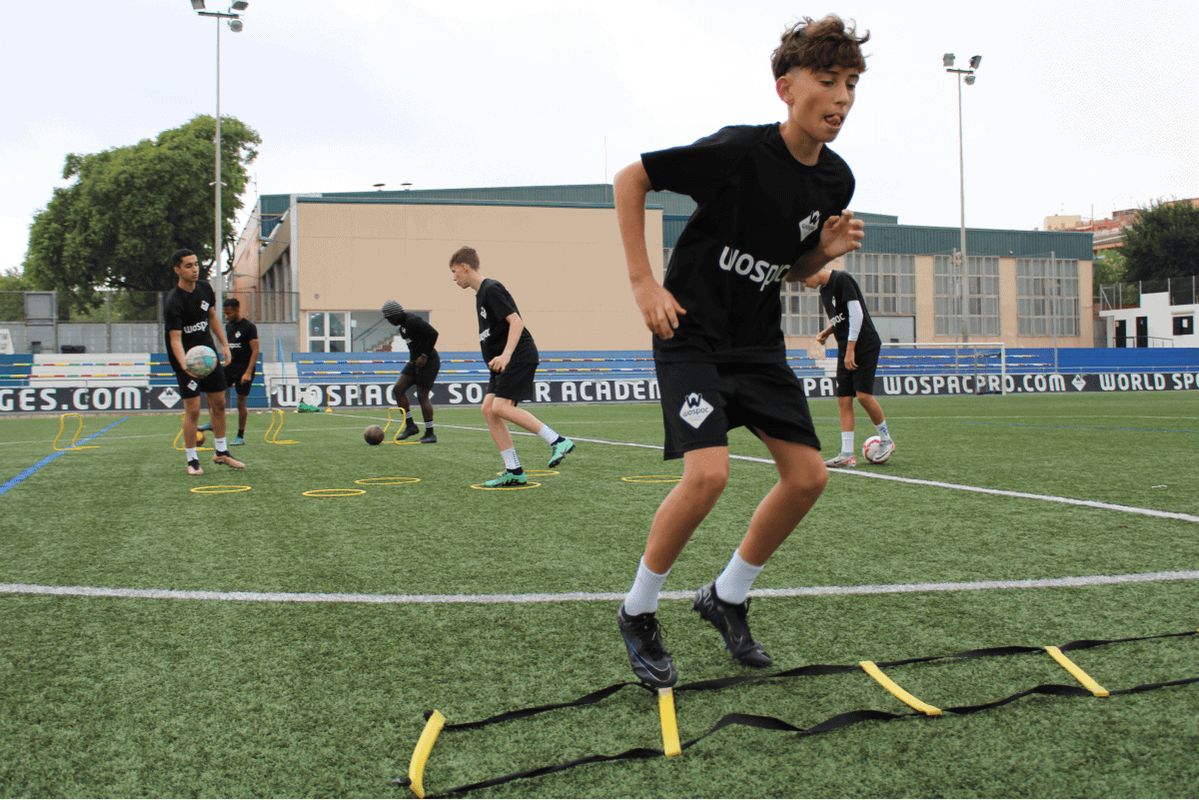
After school or during a change in educational plans, some players want time to examine their football ambitions. The decision deserves a practical purpose and a realistic view of the commitments involved. An enquiry about Soccer Gap Year Spain can begin with the player's current experience, study position and proposed dates. Ask what the year is intended to provide and how that aim would be reviewed. A period abroad should not be treated as necessary for every player or as proof of an advantage over peers. Someone considering the next college step may have different priorities from someone seeking a different training group. The value of a programme depends on the actual activities and arrangements, as well as the athlete's willingness to take part. Defining a purpose before taking a football gap year A footballer can use the decision to identify questions rather than demand an immediate career answer. What part of the game do they want to understand better? What experience are they seeking, and which educational commitments must be protected? Write those aims in terms that can be discussed. A particular training focus, an opportunity to experience a group and time to consider further study are clearer than a promise of transformation. Reasons for considering the year might include: Taking time to examine a college or study decision with the relevant institution. Experiencing a different football environment through confirmed activities. Reviewing development objectives appropriate to the player’s current circumstances. Practising everyday responsibilities with the level of support agreed for the stay. Organising the information needed for a later academic or sporting enquiry. These purposes do not rank a gap year above continuing directly in education or remaining with a local club. Compare the practical alternatives and consider what the player would do if their aims change. Timing deserves individual attention, particularly where an institution's requirements affect future options. Understanding the football experience offered Before committing, ask how the proposed daily training fits the player's current level. A programme should explain the group, coaching responsibilities and session schedule. Discuss the exercises and feedback available rather than assuming a single national football philosophy or a uniform daily workload. Useful subjects for that conversation include: Receiving and passing when the time or space available changes. Positioning, support and decisions during different phases of play. Physical preparation and recovery considered alongside the player’s other commitments. Communication and understanding the responsibilities of a playing role. A coach can explain what an activity is trying to explore and invite a question about an instruction. If an individual review or analysis is advertised, establish the format, frequency and relevant staff. Training aims should not be presented as guaranteeing improvement, fitness or freedom from injury. Match activities require their own explanation. Confirm what is scheduled and how participation is decided. An arranged game, tournament entry and outside club assessment are different activities, even when the same player is interested in each. Responsibility and adjustment outside football A stay abroad creates ordinary tasks as well as sporting [...]

Soccer Coaching Courses Spain: Building Modern Coaches Through Education and Experience
Over the last decade, both football and players have evolved drastically. Tactical systems are changing, player profiles are changing, and expectations of coaches keep growing. Coaching these days is not just your instinct anymore but is an educated, adaptable, and constantly learning method. Soccer Coaching Courses Spain allow coaches to grow within one of the world’s highest football cultures. Spain is known for the organisation of football education. The coaching courses in Barcelona stem from a philosophy that gives importance to the intelligence, positioning and collective understanding of the game. There is a modern philosophy behind this which incorporates theory and practice with real-time exposure, which WOSPAC’s coaching pathway reflects. Why Spain Is a Leading Destination for Coaching Education Spain football is much more than players and clubs. Their game has shaped the analysis, teaching, and management of the game at all levels. Enrolling in a coaching course in Spain offers an opportunity to study football coaching in its local context. This is because the system stands for development rather than results. Coaches studying in Spain experience exposure to. Discussing tactical ideas using examples from football. Plans to improve player training methodologies. A different session design is created for different age groups. An environment for educating and introspecting. The education will be delivered in Barcelona. The city has the strong identity of a football but also international accessibility, which eases the integration and learning experience for coaches. What Soccer Coaching Courses Spain Include Soccer Coaching Courses Spain are aimed to build the academic understanding and coaching competency. Confirm which practical sessions are included and how classroom topics are connected with work on the pitch. Usually include one of the key components. Contemporary coaching approach and organisation of sessions The players’ tactical analysis and game understanding. Development Models for the Players in Youth and Senior Helping players develop different football skills. Match anticipation and performance assessment. Gaining practical experience is essential for effective learning. Confirm whether any live training sessions involve observation, participation or neither. The hands-on approach of the program bridges the gap between knowledge and execution. Courses are offered sequentially, gradually building confidence among coaches. Entry requirements and the level of instruction should match the participant's current coaching knowledge and experience. Learning Through Practice and Observation An important benefit of Soccer Coaching Courses Spain is the observation and learning in the real world. It is recommended that coaches monitor the delivery of sessions, players’ responses and any adjustments made as it happens. This helps coaches gain insight. How is the intensity of training managed? How can tactical ideas be introduced gradually? How do coaches communicate under pressure? Ways to Deliver Constructive Feedback Instead of learning drills off by heart, coaches instead learn to read the game and adapt sessions according to their players. Having this ability to adapt is especially important nowadays given no team or player is the same The Barcelona environment Favors this style of learning. Coaches are being exposed to varying training situations enabling them to [...]

Professional Boarding Football Camp: A Complete Immersive Experience for Serious Players
A residential football camp brings training and living arrangements into the same stay. Its suitability depends on the actual programme, the player and the practical support available. A Professional Boarding Football Camp should therefore be assessed through more than its label. Establish the organiser, dates, coaching group and accommodation before comparing the experience with a short clinic or a longer academy stay. WOSPAC's Barcelona offer needs to describe the activities and services proposed for the booking. A professional or high-performance description does not establish equivalence with a club environment, an individual workload or a predictable development result. Clear information helps a player decide whether the stay fits present experience and commitments. What Defines a Professional Boarding Football Camp A boarding camp combines the football schedule with somewhere to live. The operator, residence location and staff coverage should be stated, along with the sessions and other activities included. Living near training does not automatically mean daily practice, constant supervision or freedom from practical concerns. Compare the whole timetable: travel, meals, organised activities, rest and free time. The difference from a non-residential camp lies in the arrangements actually booked, not in an assurance that immersion produces faster development. Ask how a new participant joins the group and how everyday questions are handled. Players may wish to explore the following aims, while checking how the actual programme supports them: Follow the agreed training schedule and discuss practical difficulties Adapt to professional expectations and routines Build discipline, responsibility, and focus Experience football as a full-time commitment A clear plan can reduce uncertainty about the stay, but it cannot remove every distraction or responsibility. Keep the agreed schedule and contact arrangements available, and ask who handles changes. Practical organisation should support participation without being presented as a guarantee of improvement. Training Structure and Performance Methodology Training can address technique, decisions in play and physical preparation in different ways. Ask how the advertised group level and session format are established, and what feedback is included. A list of development areas is not proof that every session balances them perfectly. Possible practice subjects to discuss include: Receiving, passing and other technical actions in a game-related task. Noticing space, teammates and opponents before making a decision. Understanding positioning and the responsibilities of a role. Physical preparation within the actual programme and group level. Concentration, communication and choices during competitive practice. Exercises and game practice can explore different problems. The useful question is what an activity is intended to practise and how instructions are explained. Feedback about a particular action can give the next session a focus without establishing a fixed rate of progress. Ask about workload and time for rest, and how concerns are raised. Conditioning, mobility work and separately qualified clinical care should not be conflated. A camp cannot guarantee avoidance of burnout, injury or fatigue, and its timetable is not an individual medical or recovery plan. Living Environment and Player Supervision Accommodation needs its own practical description: operator, address, room arrangements, access conditions and staff availability. [...]

Football Coaching Academy Barcelona: Turning Passion Into Professional Coaching Skills
Instructional football requires much more than tactics, training drills or strategies. Today's coaches must be functioning managers and psychologists who analyze performance, communicate effectively, and adapt to modern styles. Confirm the course organiser, curriculum and evidence of any claimed approval before relying on a coaching qualification. Barcelona is recognised worldwide for its football philosophy, which is why it is such an attractive destination for coaches. Coaching education is practical, structured and international in WOSPAC. Check whether the programme awards a certificate or licence, who issues it and which assessment and recognition requirements apply. Barcelona as a Setting for Coaching Education Barcelona has done more than just produce players. The city influenced coaching methods based on brains, positioning, collective understanding of the game. Coaches can immerse in this culture daily when they join a Football Coaching Academy Barcelona. Modern football knowledge can be seen in the practical training application by the coaches. The education programs integrate tactical structures, positional play, and decision-making principles, instead of teaching them in isolation. Coaches gain insight into the functionality of systems rather than simply imitation. Students learn both inside and outside the classroom. Coaches get a chance to speak to their peers from other backgrounds. Hence coaches gain a perspective of different football cultures. Moreover coaches can learn about different coaching styles. This is an irreplaceable experience for those who want to coach further out. What a Football Coaching Academy May Cover Training at the Football Coaching Academy Barcelona strikes a balance between practical and theoretical. Education programs aim to empower coaches to use their knowledge confidently in actual training situations. Key areas of learning to include Present-day training approaches and session scheduling. Game analysis and tactical systems. All-age group player development. Skills of communication and leadership. Preparing and Evaluating Matches. Practical training arrangements should be confirmed with the organiser, including whether on-field access involves observation, participation or neither. Confirm whether participants work directly with players and what practical supervision or access conditions apply. This practical experience boosts comprehension and enhances confidence. Coaching development depends on the course content, assessment and the participant's experience and engagement. Check the entry requirements and level of instruction for the participant's current coaching experience. Choices for Residence and Unmatched Learning Environment The immersive learning environment is one of the strengths of a Football Coaching Academy Barcelona. Confirm whether accommodation is available and how its location, cost and terms fit the course timetable. Confirm the actual accommodation and training locations, travel needs and any access to facilities outside scheduled sessions. Learning, observing, and applying are the primary daily activities instead of commuting and logistics. By living and breathing in the coaching environment, the preparation, and analysis becomes second nature. The housing model also encourages cooperation. When they meet informally, they share experiences, offer and exchange ideas. Students experience valuable opportunities for peer learning while attending the academy. Who Gains the Most from Coaching Academy in Barcelona Football Coaching Academy Barcelona has participants from diverse backgrounds who wish to grow professionally [...]

Football Boarding School Spain: What Parents Should Know Before Choosing Program
It can be an overwhelming decision for parents of young footballers when finding a suitable development environment. Being talented is not enough. The environment in which a player lives, studies and trains is vital to his success and discipline and mindset. This explains why international families are increasingly interested in a Football Boarding School Spain. Parents nowadays do not only care about training quality for their children, but also something else. They are looking for safety, training, supervision and personal development. A football boarding school offers a systematic solution that supports ambition and responsibility for the young players in a balanced way. Parents are choosing Spain for boarding football education A football stay in Spain should be assessed through its actual training and living arrangements. Ask for the location, staff responsibilities, supervision policy and emergency contacts. A national football reputation alone does not establish the conditions or suitability of a particular residence. Before choosing a Football Boarding School Spain, identify the education provider, course and admission requirements, together with the arrangements for residential supervision and access to healthcare. Confirm who delivers each service and which costs and responsibilities sit outside the football programme. The development of Spanish football is focused not on performance pressure but on learning over the long term, which helps young athletes. Barcelona particularly stands out for its international ambiance. The city has experience hosting students from around the world, helping young players adjust more easily, especially when they could be living away from home for the first time. A Boarding School’s Daily Schedule and Supervision One of the main benefits of a football boarding school in Spain is structure. Young players benefit from a clearly defined routine on a daily basis that balances the efforts of education, training, rest and personal time. Players automatically hone their discipline as the structure removes doubt. Ask how the residence is supervised during training days, evenings and weekends, including staff availability and the procedure for reporting concerns. Check routines for study, hygiene, meals and rest, as well as the named contact and emergency arrangements for the specific accommodation. Having the same housemates also makes you more accountable. Players are taught to respect schedule, rules and space. This environment replicates professional football culture while aiding in mental and social maturation. Education Should be a Priority and Not a Backup Plan Football-focused programs often make parents fear academic neglect. A good Football Boarding School Spain doesn’t put education on the bench, but rather at the centre of development. A study plan should identify the course, provider, class times and expected attendance alongside training. Ask how progress is reviewed and what support is available if schedules conflict. Academic completion and later opportunities depend on the institution's requirements and the student's own work. Education also supports performance of football. Concentration, discipline and focus that students acquire in the classroom, reflect on the pitch. This dual development approach helps the players to become more complete individuals and not just good athletes. Fostering Independence and Emotional [...]

Football Academy Program Fees: Understanding Value, Structure and What’s Included
The choice of a football academy is not purely about training, it’s also about knowing what you pay for. When considering football academy program fees, players and families often have questions, especially about international programs. Equally important as performance outcomes are transparency, clarity and value. WOSPAC program fees reflect professional-level training, extensive support services and real development opportunities. This guide explains how academy fees are organized, what they cover, and how value is often a better evaluation of price than cost, which is far more transparent. Reasons Why Football Academy Program Fees Differ Variations in the football academy program fees exist because the level of service provided by academies will vary, hence their fees will differ. Many different items influence the price of the game and directly affect the player. They include The level of intensity being trained and the proficiency of the coach. The program will be for a short stage or long stage. Stay here or stay there? Services related to health, fitness, and recovery. Experience competitive matches through exposure. A scheme, which necessitates full-time coaching staff, residential support, and a structured competitive environment, requires a high level of operational investment. When families clearly understand this, they are able to compare programs fairly, rather than just focusing on the headline price. What Does the Football Academy Program Fee Include One key element of assessing Football Academy Program Fees is understanding what else is included in addition to the training sessions. The fees at WOSPAC cover a total football development environment. Includes may typically include Daily training of professional football. Technical Structure: UEFA qualified coaching staff Training programs for athletes Competitive matches should be equally exposed. Tracking of players and performance feedback. The boarding program's fee includes stay, food, supervision and day to day logistics. With everything offered under one roof, players can concentrate entirely on development. Instead of having to pay separately for various services, families benefit from a comprehensive program designed to enhance growth both on and off the field. Fee Structures of Boarding and Non-Boarding Fees for football academies are usually divided into boarding and non-boarding options, allowing the player to choose the structure that best suits them. Boarding programs often consist of. Housing Complete meal preparation guides. Constant monitoring. Transport to sites of training. In contrast, non-boarding programs solely focus on football training and development. These options are perfect for local players or those with prearranged lodging in Spain. This pricing structure makes the training accessible to everyone, even though the training remains the same. Short and Long Stages: Cost Differences Explained The length of the program influences Football Academy Program Pricing significantly. Intensive training periods called short stages last from one week to one month. Whereas long stages last for several months or one season. Short stages are good for Experiences of Trials. Skill evaluation. Out-of-season works. Global reference The longer stages may help with more thorough development, tactical development, physical development, and consistency in actual competition. While the fees for long-term programs are [...]
How to use the blog for clearer football decisions
Barcelona Football Academy Blog is most useful when readers are trying to connect football questions with better decisions. The value is not in volume alone, but in finding the pieces that genuinely clarify the next step.
A stronger reading path usually mixes guidance, comparison and real-world context so that the bigger picture becomes easier to judge.
That is what turns Barcelona Football Academy Blog into something practical rather than just another article list.
What type of reading usually helps most
It helps readers who want to move from broad curiosity to more confident football choices.
- Start with the guides that answer the biggest open question first.
- Mix comparison pieces with practical examples to build a fuller view.
- Use the reading path to make the next football conversation more specific.
Useful reading paths from here
What Parents and Players Should Look for in a Soccer Academy in Barcelona
Use a clearer comparison checklist before choosing a football environment.
Soccer Academy Barcelona Options: Full Boarding, Short Stay, or Day Program?
Compare the main format differences in one calmer side-by-side view.
Academy Progression Stories vs Trial-Only Results: What Matters Most
See why long-term development often tells a fuller story than a single trial result.
Questions readers often ask when choosing what to read next
What should readers start with first?
The best starting point is usually the article that answers the biggest open question, whether that is fit, format, costs or daily life.
How does the blog help with football decisions?
It becomes most useful when comparison pieces, practical guides and real-world examples are read together rather than in isolation.
What kind of reading path usually helps most?
A short route from broad explanation to side-by-side comparison and then to practical next steps usually creates the clearest overall picture.
Use the next article to answer the biggest open question
Whether the decision is between a longer residential option, a shorter first step, or a football-and-education route, clearer information around Barcelona Football Academy Blog makes the next move easier.
Start with these stronger football reads
Questions readers often ask when choosing what to read next
What is the best way to compare choices after Blog?
They usually do best when they compare training demand, living format, study balance, timing and the level of support around the player’s week after reading Blog.
What often helps readers decide after looking at Blog?
A short list of realistic options, each judged against the player’s readiness rather than only ambition, usually makes the choice easier once Blog is understood.
What usually comes next after Blog?
Most readers benefit from moving from the general overview in Blog to a more specific programme or contact path that matches the player’s current needs.
Why does clarity matter when looking at Blog?
Programmes can look similar from a distance while working very differently in real life. Clearer detail after Blog usually saves time and leads to a better fit.