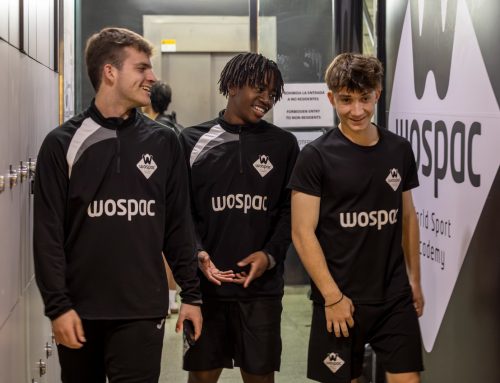
Choosing a football camp starts with identifying the organisation responsible for it. A familiar club name can attract attention, but the useful details are the operator, location, dates, coaching group and activities included in the booking. A short camp and a longer WOSPAC programme also serve different purposes, so they deserve a practical comparison. A search for Fc Barcelona Usa Soccer Camps can bring together offers with different organisers and terms. Check the published details of the specific official Barça camp being considered, then examine the WOSPAC offer separately. An official camp description explains that particular camp; it does not establish another organisation’s affiliation, staffing or services.
For WOSPAC, start with the player’s current experience and the length of stay under consideration. A useful conversation covers what training is offered, how groups are formed and what feedback is available. It should leave room for individual goals without promising a professional future. Knowing what is actually booked makes it easier to judge whether the experience suits the player.
Game Changing Beyond Basic Training
Technical practice becomes more useful when a player understands its purpose. Receiving a pass while facing forward, supporting a teammate and choosing when to carry the ball are different problems. A drill can isolate one action; a game asks the player to recognise when that action fits the situation. These are useful subjects to discuss when comparing coaching approaches.
Ask how the advertised programme connects exercises with play. A list of attractive drill names says less than an explanation of the intended group level and session format. Feedback can draw attention to a decision or movement, while the player still needs time and practice to respond. Neither a club-inspired description nor an impressive name establishes the content of a WOSPAC booking.

Building a workable training routine
A routine can give practice a clear place in the week. Its value depends on the actual timetable, the player’s other commitments and time for rest. Compare the number and length of sessions, group activities and review opportunities rather than assuming that more training always means more progress. The timetable advertised for FC Barcelona camps belongs to the named camp and its dates; it should not be transferred to WOSPAC by analogy.
For a longer stay, look beyond a single attractive session. Ask how football fits with travel, study where relevant, meals and free time. A realistic schedule should be understandable before arrival. Repetition can provide opportunities to revisit an action, but responses differ and improvement is not a daily entitlement. A review is most useful when it identifies a specific focus for the next session instead of treating attendance itself as evidence of progress.
Understanding competitive football situations
An opponent changes the choices available to a player. Space may close, a teammate may need support and the useful pass may differ from the one rehearsed without pressure. Practices can explore these problems through rules, smaller playing areas or particular roles. Ask which forms of game practice are actually included for the group.
A mistake can also become a point for discussion: what did the player notice, what alternatives were available and what might be tried next? Such questions give feedback a clear subject. They do not guarantee resilience, confidence or a particular match result. The player needs a setting in which instructions are understandable and responses to mistakes are respectful.
Practising responsibility within a team
Responsibility in football can mean listening to an instruction, arriving prepared or making a decision while considering teammates. These are observable actions, rather than proof that a camp has changed someone’s character. A coach can explain the boundaries of an activity and allow room for decisions within them.
Find out how instructions and feedback are delivered to the advertised group. A player new to the language or level may need clarification. Encouragement and constructive correction can coexist; neither constant praise nor the removal of all guidance defines a useful learning experience. Confidence and adjustment vary between people. Ask about the actual support arrangements rather than treating a promised feeling as a programme inclusion.
Distinguishing match experience from selection
If matches form part of an offer, establish which fixtures are confirmed, the relevant age or level and how participation is decided. An internal practice game, an arranged friendly and a club assessment are different activities. The presence of an opponent’s name does not itself establish a recruitment relationship. Match feedback is useful when it describes a player’s ability through specific examples: positioning, movement, communication or decisions with the ball. That discussion can inform a personal training focus without predicting selection.
Any advertised observation, introduction or trial needs its own named arrangement and conditions. Clubs make their own assessment decisions. A camp booking, a recorded match or similarity to an official Barça programme should not be presented as an automatic opportunity to enter professional football.
Concentration and preparation for training
Preparation includes understanding the session, knowing what equipment is needed and being ready to listen. During play, a useful focus may be the next action rather than a distant career goal. A coach can discuss a particular response after a lost ball or a missed chance without promising that pressure will disappear.
Where an offer mentions mental preparation or specialist support, ask who provides it and what activity is included. Routine coaching discussion and a separately qualified professional service should be described clearly. Players respond differently to unfamiliar settings, competition and time away from home. Training cannot ensure peak performance regardless of outside circumstances, and needing support should not be framed as a failure of ambition.
Football alongside everyday commitments
A football stay also involves everyday choices. Travel takes time, equipment needs organising and a busy timetable needs to be manageable. If accommodation or education is part of the proposal, obtain those arrangements separately from the coaching description. The operator, address, supervision and included services matter more than a broad lifestyle promise.
Practising organisation can be a useful aim, but independence and personal development are individual processes. An international setting does not ensure that everyone adjusts in the same way. A practical plan explains what support is available and how to ask for help, without assuming that a camp automatically creates professional habits.
Choosing an experience that fits the player
A comparison should return to the player’s present needs. Someone seeking a short introduction may ask different questions from someone considering a longer stay. The length of the programme, level of the group and balance of organised activities all affect that decision. Price comparisons are meaningful only when the inclusions and additional costs are understood.
Keep each organisation’s claims tied to its own published offer. An official club camp can be assessed on its particular terms, while a WOSPAC proposal needs its own details. When considering Wospac, request a clear description of the proposed dates, coaching, practical arrangements and any participation conditions. Keep that information with the booking terms so that expectations remain concrete.
The purpose of a football experience is to provide the activities agreed for the player, with goals that can be discussed and reviewed. Participation can offer practice and feedback; it does not settle a future career. A decision grounded in the actual offer is more useful than a promise of success.
Useful next steps after Fc Barcelona Usa Soccer Camps: Where Ambition Meets a Real Football Future
Questions about comparing football camps
How should an official Barça camp be compared with a WOSPAC offer?
Identify the operator and published terms of each specific programme. Compare dates, coaching groups, activities and inclusions separately; a shared football theme or familiar name does not establish an agreement between organisations.
What makes a short camp different from a longer training stay?
The duration changes the practical questions. A short camp needs a clear session and activity schedule; a longer stay also calls for detailed accommodation, everyday support and any education arrangements that are actually offered.
How can a player assess the feedback offered during a camp?
Ask whether feedback concerns individual actions, group practice or a formal review, and who provides it. Useful examples might address receiving, positioning or decisions in play. Attendance alone does not demonstrate improvement.
Does match participation at a camp include a professional club trial?
A practice game, friendly and club trial have different purposes and conditions. Any trial or introduction needs a specific confirmed arrangement; club assessment and selection are independent of the camp booking.